Breastfeeding places additional nutritional demands on the body, so eating enough nourishing food is important for a mother’s recovery, energy, and overall wellbeing. There is also a lot of conflicting advice about postpartum eating. Some new mothers are told to eat much more than usual, while others begin restrictive diets because they want to lose pregnancy weight quickly. A better approach is usually to focus on balanced meals, adequate fluids, nutrient-rich foods, and gradual changes rather than severe calorie restriction.
Every mother’s nutritional needs are different. Factors such as body size, activity level, breastfeeding frequency, health conditions, and whether weight loss is desired can affect how much food is appropriate. A healthcare professional or registered dietitian can provide individualized guidance when needed.
Start the Day With Nourishing Foods
A simple morning meal can include water or another unsweetened drink followed by nutrient-rich foods such as nuts, seeds, fruit, whole grains, or dairy. Indian ingredients such as cumin, fenugreek, and carom seeds are traditionally used in postpartum diets, but they should not be viewed as guaranteed ways to increase milk production.
Almonds and walnuts provide energy, healthy fats, and several important nutrients. They can be included as part of a balanced breakfast or snack. Hydration is also important during breastfeeding, so keeping water nearby and drinking according to thirst can make it easier to maintain adequate fluid intake.
Building a Balanced Vegetarian Diet
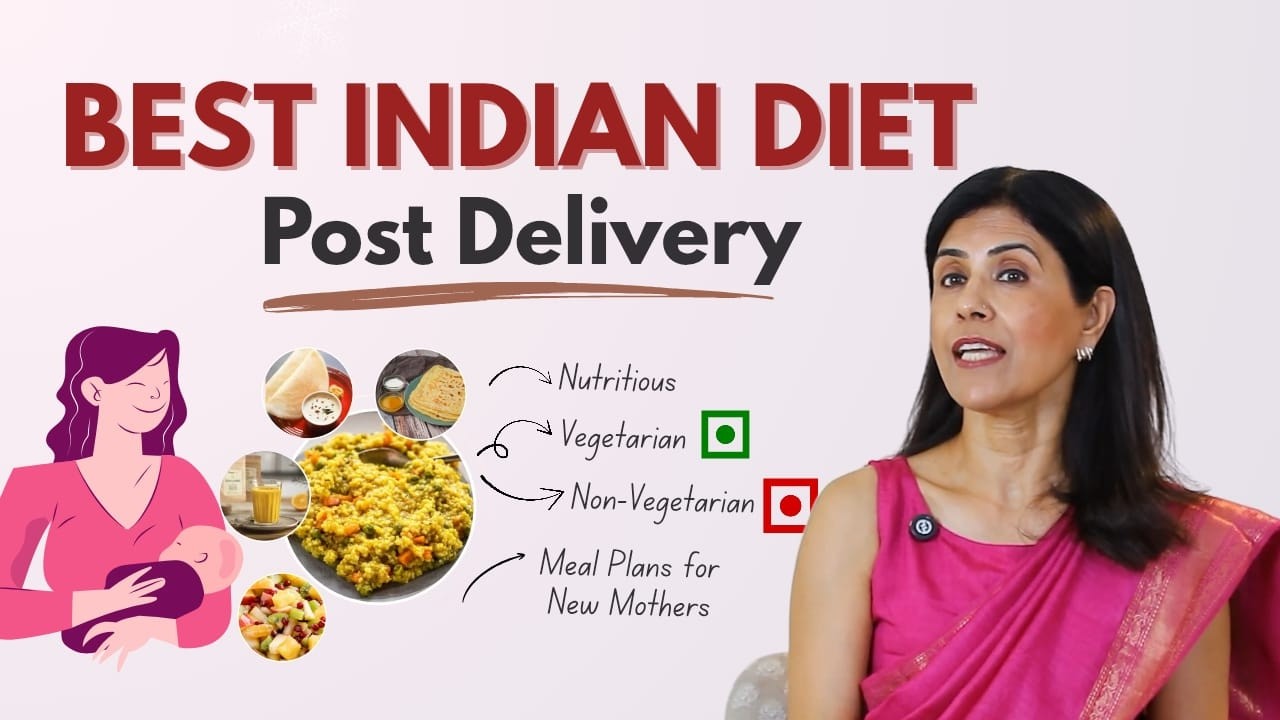
A vegetarian breastfeeding meal plan can include a combination of whole grains, pulses, vegetables, fruit, dairy products, nuts, and seeds. Breakfast options might include vegetable dalia, oats, poha, dosa, or a vegetable-based meal accompanied by milk and fruit.
Lunch can combine whole wheat roti or another whole grain with dal, seasonal vegetables, and yogurt or buttermilk. Foods such as spinach and other leafy greens can contribute iron and folate, while dairy products can provide calcium and protein.
Snacks can include roasted chickpeas, sprouts, makhana, fruit, nuts, or a homemade smoothie without excessive added sugar. Dinner can feature paneer, lentils, vegetables, and whole grains. These combinations provide protein, carbohydrates, fats, fiber, vitamins, and minerals without relying heavily on highly processed foods.
Including Protein in a Non Vegetarian Diet
For mothers who eat animal products, eggs, chicken, and fish can provide convenient sources of high-quality protein. Breakfast could include eggs with whole grain toast and fruit, while lunch might combine chicken with roti, rice, lentils, and vegetables.
Fish can also be included as part of a balanced breastfeeding diet. However, breastfeeding mothers should choose fish carefully because some species contain higher levels of mercury. Following local dietary guidance about safer fish choices can help reduce unnecessary exposure.
Animal foods do not need to replace plant foods. Combining eggs, fish, poultry, pulses, vegetables, fruits, whole grains, nuts, and dairy can create a varied eating pattern that supports nutritional needs during breastfeeding.
Be Careful With Weight Loss After Delivery
Losing pregnancy weight can take time, and rapid dieting is generally not a good goal during the early postpartum period. Breastfeeding requires additional energy, and severely restricting food intake can make it harder to meet nutritional needs.
Rather than skipping meals, mothers can focus on regular meals and snacks built around protein, vegetables, whole grains, fruit, and healthy fats. Portion sizes can be adjusted according to individual needs and guidance from a healthcare professional.
There is also no single food that can guarantee a higher milk supply. Milk production is influenced by several factors, particularly effective and frequent milk removal, along with maternal health and other individual circumstances.
Hydration, Rest, and Gentle Activity
Food is only one part of postpartum recovery. Drinking enough fluids, getting as much rest as circumstances allow, and gradually returning to physical activity can also support wellbeing. Gentle walking may be appropriate for many people, but the timing of exercise should depend on the type of delivery, recovery, and advice from a healthcare professional.
New mothers should also avoid putting unnecessary pressure on themselves to return immediately to their pre-pregnancy routine. Recovery can take time, and nutritional needs may change throughout the breastfeeding period.
Foods and Habits to Limit
A healthy breastfeeding diet does not require perfection. Highly processed foods, sugary drinks, deep-fried foods, and foods high in added sugar can be limited while still allowing room for personal preferences.
Alcohol deserves particular attention. Alcohol can pass into breast milk, so breastfeeding mothers who drink should discuss safer timing and feeding options with a healthcare professional. Avoiding alcohol is the simplest way to eliminate alcohol exposure through breast milk.
Nourishment Matters More Than Restriction
The postpartum period is a time for recovery, adjustment, and caring for a newborn. Instead of following an extremely restrictive diet, breastfeeding mothers can build meals around a variety of nutritious foods and adjust portions according to their individual needs.
A balanced Indian-style eating pattern can include traditional foods such as dal, roti, vegetables, fruit, nuts, dairy, eggs, poultry, and fish while still allowing flexibility. If there are concerns about milk supply, significant weight changes, anemia, dietary restrictions, or other health issues, personalized advice from a doctor or registered dietitian can be especially valuable.
Taking care of yourself is an important part of caring for your baby. Consistent nourishment, hydration, rest, and appropriate postpartum activity can help support your health while you adjust to life with a new child.
