
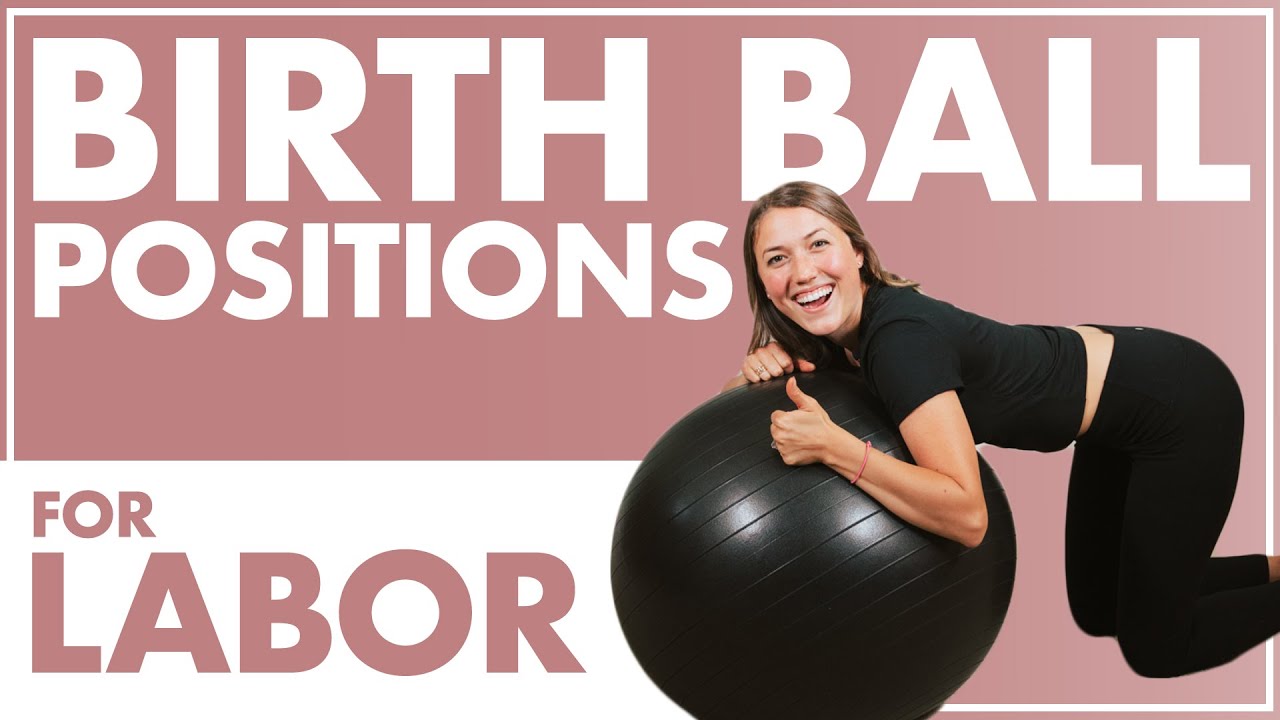
Preparing for labor often means learning about different ways to manage contractions and stay comfortable. One tool that many expectant parents explore is the birth ball, a large exercise ball that can support gentle movement and upright positions during labor.
When medically appropriate, changing positions, moving around, and leaning forward may help some people cope with contractions and feel more comfortable. The best position depends on your preferences, your baby’s position, and your healthcare team’s guidance.
What Is a Birth Ball?
A birth ball is a sturdy, appropriately sized exercise ball used to support movement during pregnancy and labor. Sitting on one allows you to make gentle pelvic circles, rock from side to side, or lean forward while resting your arms on a bed or another stable surface.
These movements may ease discomfort and encourage mobility. Some people also find that sitting upright feels more manageable than remaining in bed throughout labor.
Choose a ball that allows your feet to rest flat on the floor, with your knees comfortably bent. Use it on a nonslip surface, and have someone nearby if you feel unsteady. Avoid using a birth ball if your care team advises against it.
Understanding the B.L.T. Framework
The B.L.T. framework is a simple way to remember three positioning ideas commonly discussed in childbirth education: Balance, Leaning forward, and keeping the pelvis open through comfortable movement. The precise wording can vary between educators, so follow the terminology used by your birth professional.
B — Balance and Keep Moving
If your healthcare team says movement is safe, try gentle rocking, standing, walking, or sitting on a birth ball.
Changing positions may help you find a comfortable rhythm during contractions. You do not need to keep moving constantly; resting between contractions is important, too.
L — Lean Forward
Leaning forward over a birth ball, pillows, or the raised head of a bed may reduce pressure on the lower back for some laboring people.
You can kneel on a padded surface and rest your arms on the ball, or stand while leaning against a stable support. Choose a position that allows you to breathe comfortably and relax your shoulders.
T — Try Positions That Feel Comfortable
Rather than remaining flat on your back throughout labor, consider different positions when appropriate, such as side-lying, supported kneeling, standing, or sitting upright.
Upright and mobile positions may improve comfort and can be beneficial during labor for some people. However, no single position guarantees better fetal positioning, a shorter labor, or an uncomplicated vaginal birth. Side-lying can also be useful, particularly when you need to rest.
Why Movement Can Help During Labor
Remaining mobile may help some people cope with contractions and feel more in control. Upright positions also use gravity differently from lying flat.
Research suggests that upright positions during the first stage of labor may offer benefits for some low-risk pregnancies, although outcomes vary. During the pushing stage, the most suitable position depends on your comfort, clinical circumstances, and any monitoring or treatment you need.
Your midwife or obstetric team can help you choose positions that are appropriate for your situation.
Safety Tips for Using a Birth Ball
- Ask your healthcare professional whether using a birth ball is appropriate for you.
- Place the ball on a nonslip surface and keep your feet firmly supported.
- Have a support person nearby if you feel weak, dizzy, or unsteady.
- Follow instructions if you need continuous monitoring, an epidural, or assistance changing positions.
- Stop if you experience unusual pain, dizziness, or feel unsafe, and tell your care team.
Final Thoughts
A birth ball and comfortable position changes can be useful additions to your labor comfort plan. Gentle movement, forward-leaning positions, and opportunities to rest may help you cope with contractions while allowing flexibility as labor progresses.
The goal is not to force your body into one ideal position. It is to find safe, comfortable options that work for you and your baby’s needs.
