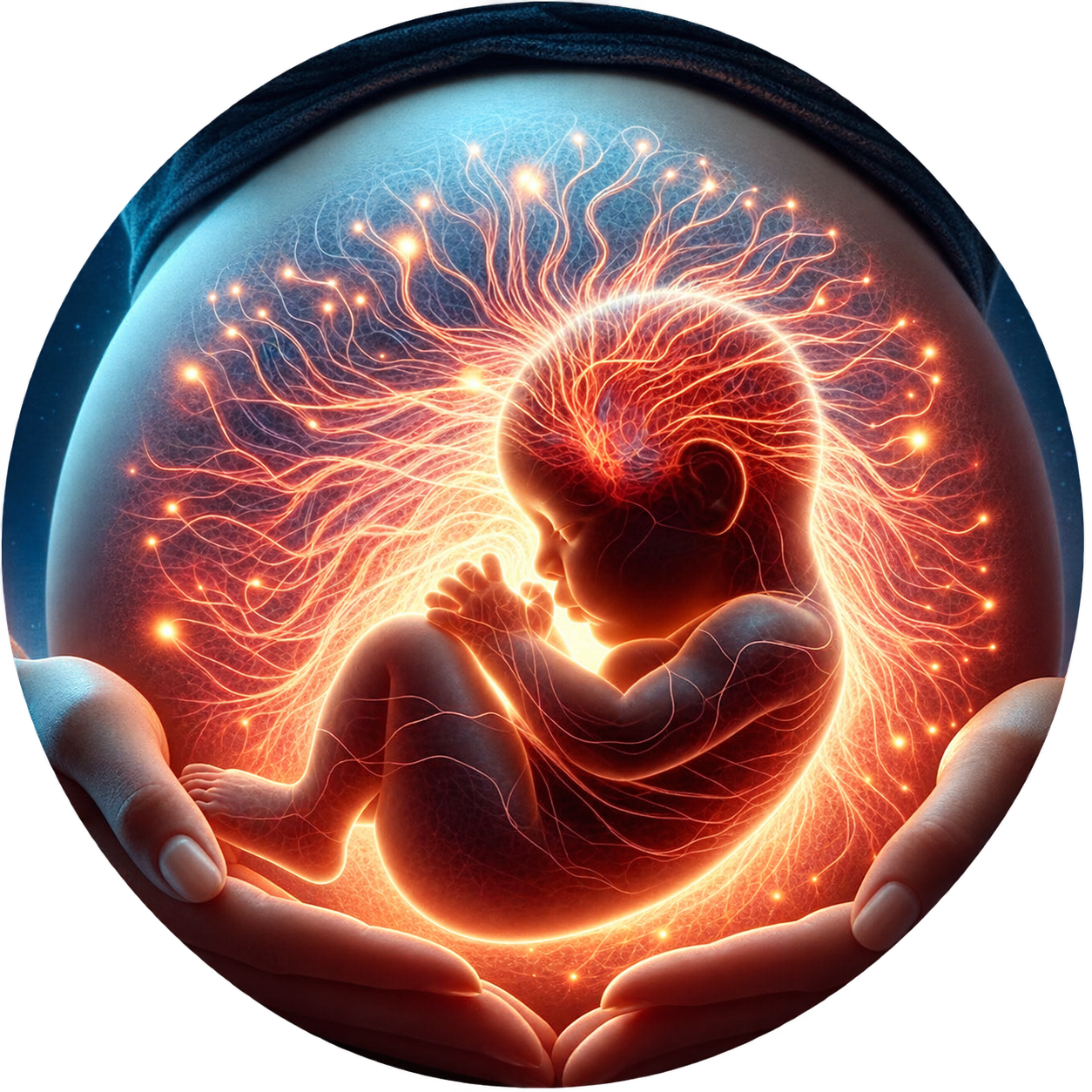
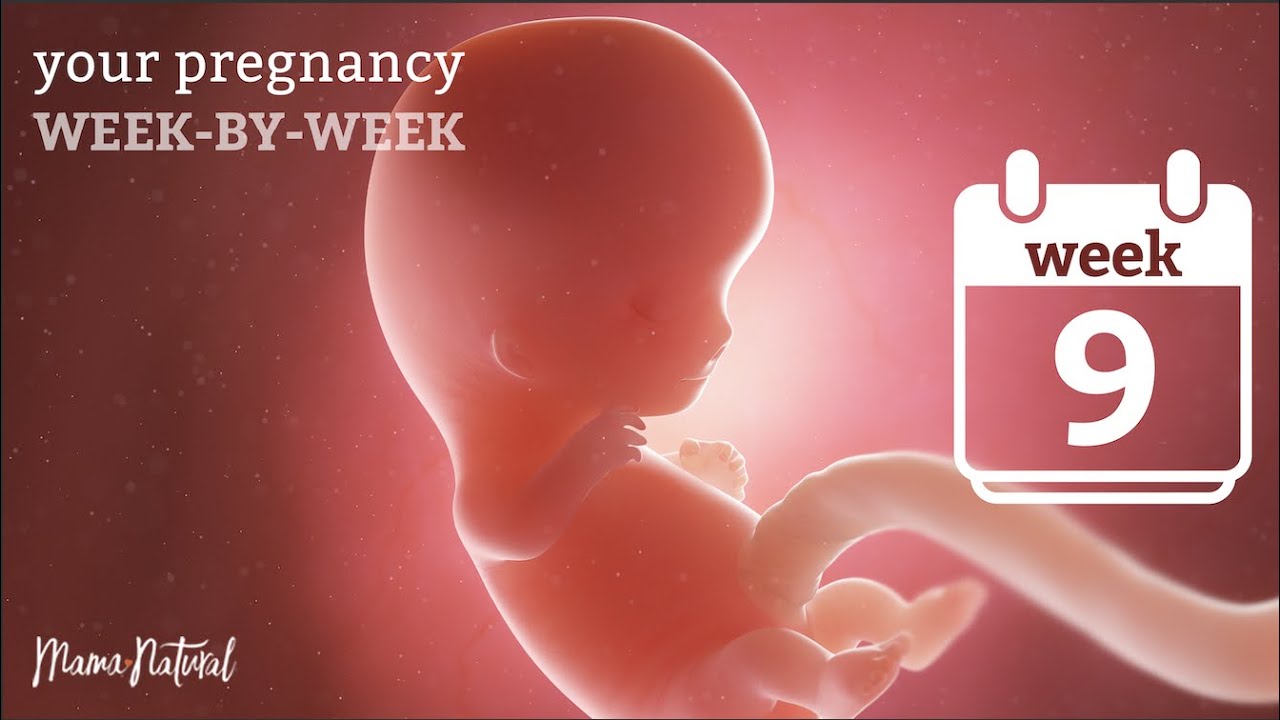
Pregnancy week 9 is another important stage in early development. Your baby is becoming increasingly recognizable as a developing human, while your body continues adjusting to major hormonal changes. Even though you may not feel movement yet, your baby is already moving inside the uterus and many important organs and body structures are continuing to develop.
How Your Baby Is Developing in Week 9
By week 9, the developing baby is roughly the size of a small grape or similar small fruit, although measurements vary. The arms and legs are becoming longer and more defined, and the fingers and toes are developing further. Earlier webbing between the digits continues to disappear as the hands and feet take a more recognizable shape.
The eyelids are also developing and beginning to cover the eyes. Facial features continue becoming more defined, while the head remains proportionally large because the brain is developing rapidly. Your baby may already make small spontaneous movements, but these movements are generally too subtle for you to feel at this stage. Most people do not notice fetal movement until considerably later in pregnancy.
Inside the body, several organs and structures are continuing their development. The liver, gallbladder, and spleen are developing, while the cardiovascular system is becoming more complex. The heart has been developing rapidly since the earliest weeks, and its chambers and valves continue forming and maturing.
Heart activity can sometimes be detected during an early pregnancy ultrasound or with certain Doppler equipment, depending on the stage of pregnancy, equipment, and individual circumstances. Not hearing a heartbeat with a particular device does not automatically indicate a problem, especially when pregnancy dating may be uncertain.
Understanding Heartburn During Pregnancy
Heartburn can occur during pregnancy, including during the first trimester. Pregnancy hormones can relax muscles throughout the digestive system. Progesterone can also relax the lower esophageal sphincter, the muscle that normally helps keep stomach contents from moving upward into the esophagus.
As a result, some stomach contents can move back toward the esophagus and produce a burning sensation in the chest or throat. The growing uterus later in pregnancy can contribute to reflux as well, although this pressure-related effect becomes more relevant as pregnancy progresses.
Simple changes may help some people manage mild heartburn. Eating smaller meals, avoiding lying down immediately after eating, identifying foods that trigger symptoms, and keeping the upper body elevated while resting may provide relief. Eating more slowly and avoiding very large meals can also be useful.
Pregnancy is not the right time to assume that every natural remedy is automatically safe. Apple cider vinegar, herbal products, digestive enzymes, and supplements can have side effects or may not be appropriate for everyone. Before using a supplement or home remedy regularly during pregnancy, discuss it with a healthcare professional.
Could You Be Expecting Twins
The possibility of twins can be exciting to think about, particularly if twins occur in your family. Twin pregnancies can happen for several reasons. Fraternal twins occur when two eggs are fertilized by two sperm, while identical twins develop when a single fertilized egg divides into two embryos.
The chance of having twins is influenced by several factors, including maternal age, family history of fraternal twins, previous pregnancies, fertility treatments, and other biological factors. Some factors can increase the likelihood, but symptoms alone cannot reliably tell you whether you are carrying twins.
An ultrasound is one of the main ways healthcare professionals determine whether a pregnancy involves one or more developing babies. If you suspect you may be expecting twins, discussing the possibility during prenatal care is more useful than relying on online quizzes or pregnancy symptoms.
Caring for Your Teeth During Pregnancy
Dental care remains important during pregnancy. Hormonal changes can make the gums more sensitive and may increase the likelihood of problems such as pregnancy gingivitis. Nausea and vomiting can also expose the teeth to stomach acid, which may contribute to enamel erosion.
Continue brushing twice a day with fluoride toothpaste and cleaning between the teeth regularly. Professional dental examinations and cleanings can generally be performed during pregnancy, and it is important to tell your dentist that you are pregnant.
There is no universal requirement for exactly two dental cleanings during every pregnancy. The appropriate schedule depends on your oral health and your dentist’s recommendations.
Reviewing Personal Care Products
Pregnancy can also be a good opportunity to review the products you regularly use. Cosmetics, skincare products, hair products, and fragrances contain many different ingredients, and the safety of individual substances depends on the type, concentration, frequency of exposure, and available evidence.
Rather than assuming that every synthetic ingredient is dangerous, focus on checking specific ingredients when there is a known pregnancy concern. If you are uncertain about a particular skincare or cosmetic product, ask your healthcare professional or pharmacist for guidance.
Taking Care of Yourself During Week 9
The ninth week can be physically demanding if nausea, tiredness, heartburn, or other early pregnancy symptoms are affecting your daily routine. Try to prioritize regular meals when possible, adequate fluids, rest, prenatal care, and any supplements recommended by your healthcare professional.
It is also normal for pregnancy experiences to differ greatly between individuals. Some people experience strong symptoms, while others notice relatively few changes. The presence or absence of symptoms alone does not provide a reliable measure of how a pregnancy is progressing.
If you experience heavy bleeding, severe abdominal or pelvic pain, fainting, severe dizziness, persistent vomiting that prevents you from keeping fluids down, or another symptom that feels concerning, contact a healthcare professional promptly.
Week 9 marks another fascinating point in early pregnancy. Your baby’s fingers and toes are becoming more distinct, facial features are developing, internal organs are continuing to mature, and the heart is becoming increasingly complex. At the same time, your own body is adapting to pregnancy through hormonal and physical changes. Regular prenatal care and sensible everyday habits can help you move through this stage with greater confidence as the pregnancy continues.
