Pregnancy week 10 marks an important transition in early development. The tiny embryo has now reached the fetal stage, while your own body continues adjusting to major changes in circulation and hormones. You may still be dealing with nausea and tiredness, and new symptoms such as dizziness can sometimes appear. At the same time, your baby’s body is becoming more developed and recognizable with each passing week.
Your Baby Enters the Fetal Stage
One of the most important milestones around week 10 is the transition from the embryonic stage to the fetal stage. At this point, the basic foundations of many organs and body structures have already formed, and development now focuses heavily on growth, refinement, and maturation.
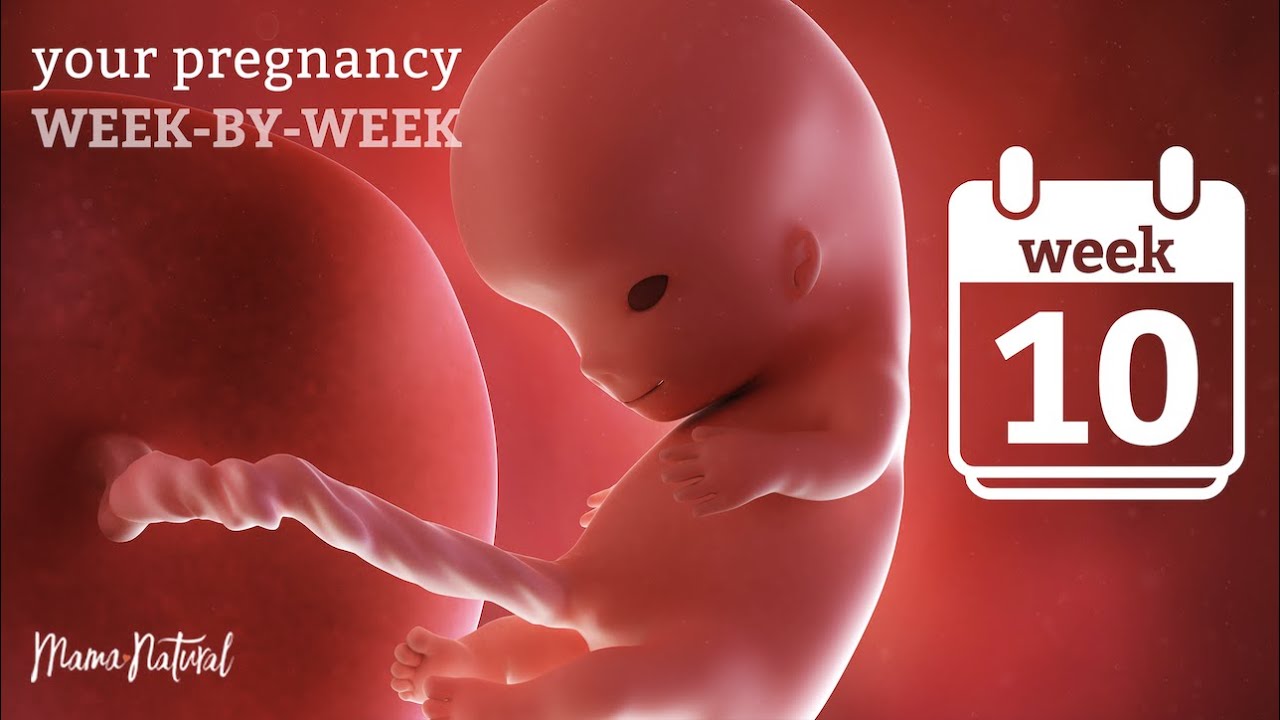
Your baby is roughly around the size of a small fruit, although exact measurements vary from pregnancy to pregnancy. The fingers and toes are becoming more distinct, and tiny nails are beginning to develop. Facial features continue becoming clearer as the head and body grow.
Fine, soft hair called lanugo can begin developing during this period. Lanugo is temporary and later plays a role in helping protect the developing skin. Much later in pregnancy, most of this fine hair disappears before or around birth, although some newborns may still have small amounts.
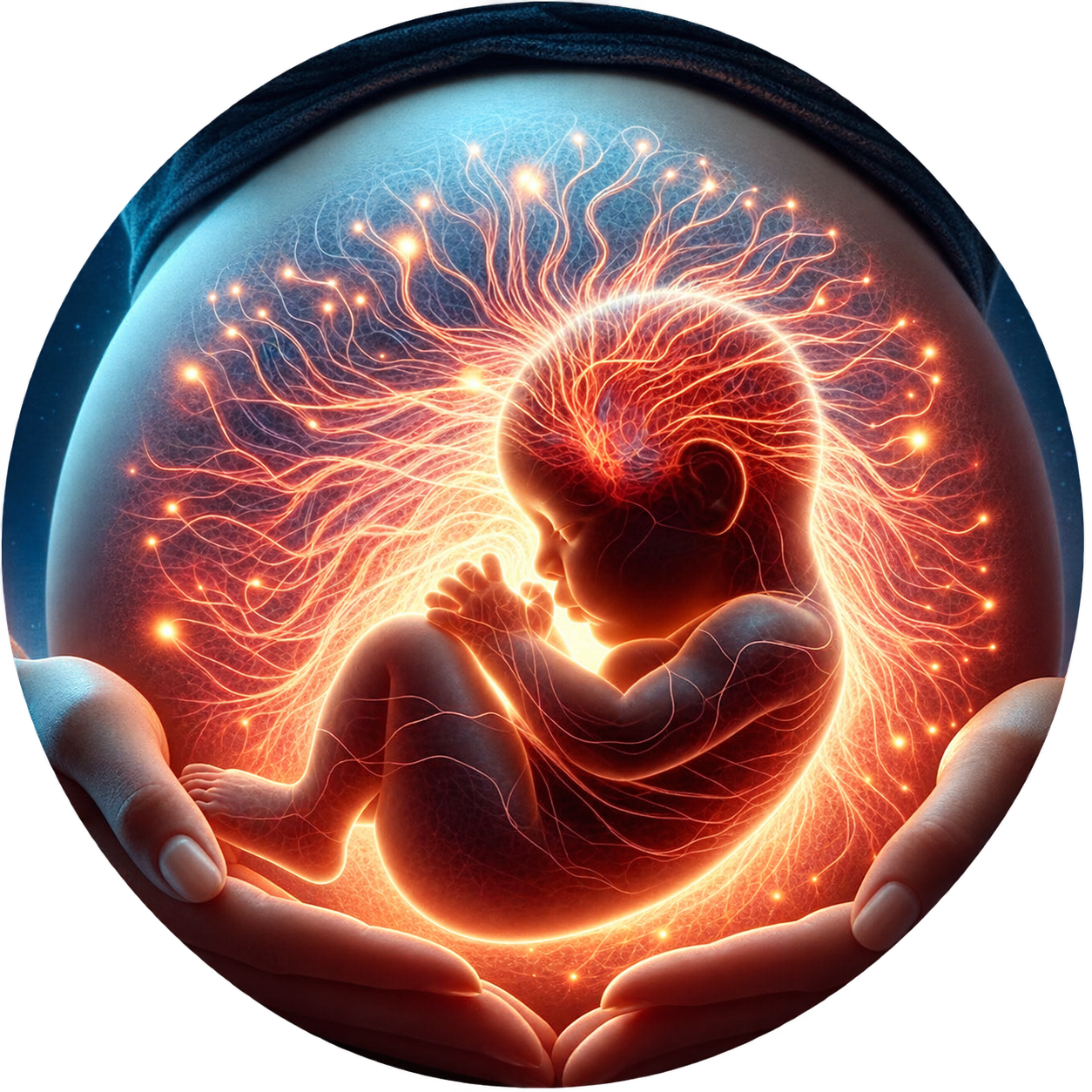
Your baby’s movements are also becoming more coordinated. The developing muscles and nervous system allow small movements inside the uterus, but they are usually too subtle for the pregnant person to feel at week 10. Feeling movement generally happens later in pregnancy.
Understanding Early Pregnancy Risk
The first trimester is a major period of development, which is why avoiding known pregnancy hazards remains important. Alcohol, tobacco, and recreational drugs can pose risks to pregnancy, and avoiding them is recommended.
Medication should also be reviewed carefully during pregnancy. Prescription medicines should not be stopped suddenly without professional guidance. If you take any medication, supplement, herbal product, or regularly experience an environmental exposure that concerns you, discuss it with your doctor or midwife.
The risk of miscarriage generally decreases as pregnancy progresses, but there is no single week at which the risk suddenly disappears. Individual circumstances can affect pregnancy outcomes, so routine prenatal care remains important.
Why Dizziness Can Happen During Pregnancy
Dizziness can affect some people during early pregnancy. Pregnancy causes changes in the cardiovascular system, including changes in blood volume and blood vessel relaxation. Blood pressure may also change, which can contribute to lightheadedness or dizziness.
Standing up quickly, becoming overheated, skipping meals, dehydration, or remaining in one position for a long time can sometimes make dizziness worse. Moving slowly when getting up, eating regular balanced meals, drinking enough fluids, and avoiding excessive heat may help.
If you begin feeling faint, sit or lie down somewhere safe until the sensation passes. Do not try to push through severe dizziness while standing or walking because falling can cause injury.
Protein-rich foods can be part of a balanced pregnancy diet, particularly when combined with vegetables, fruits, whole grains, and healthy sources of fat. However, there is no need to deliberately consume large amounts of salt to treat pregnancy-related dizziness. Excessive sodium intake is not an established treatment for dizziness and may be inappropriate for some people.
Persistent or worsening dizziness should be discussed with a healthcare professional. Urgent medical attention is appropriate if dizziness occurs with fainting, severe headache, chest pain, difficulty breathing, heavy bleeding, severe abdominal pain, or other concerning symptoms.
Sharing Your Pregnancy News
By around this stage, some people begin thinking about when to tell friends, relatives, or coworkers about their pregnancy. There is no medically required time to make an announcement. Some people share the news early with a small group of trusted people, while others prefer to wait until later in the first trimester.
The decision can depend on personal circumstances, work arrangements, family preferences, previous experiences, and comfort with sharing the news. There is no single correct approach. What matters most is choosing a time and method that feels appropriate for you.
Understanding Everyday Technology During Pregnancy
The original source recommends reducing exposure to electromagnetic fields from devices such as Wi-Fi routers and fitness watches. Current evidence does not establish that ordinary household Wi-Fi exposure causes pregnancy problems when devices are used according to normal safety standards.
There is therefore no established medical requirement for pregnant people to switch off Wi-Fi at night or stop using ordinary wearable technology solely because of pregnancy. If you prefer to reduce unnecessary device exposure, keeping electronics at a reasonable distance when practical is a simple personal choice.
For workplace concerns involving unusually strong electromagnetic sources or specialized equipment, the appropriate approach is to discuss the specific exposure with an occupational health professional or healthcare provider rather than assuming that ordinary household technology poses the same level of exposure.
Supporting Your Health During Week 10
Your body is working hard during this stage, so basic habits remain valuable. Try to eat regular nutritious meals, drink fluids throughout the day, get enough rest, and attend recommended prenatal appointments.
If nausea is making it difficult to eat, smaller meals and simple foods may be easier to tolerate. A prenatal vitamin containing recommended amounts of important nutrients such as folic acid can support nutritional needs during pregnancy. If your prenatal supplement causes significant nausea, ask your healthcare professional about alternative options or timing.
Pregnancy week 10 is a significant milestone because your developing baby has entered the fetal stage and is continuing to grow and refine the structures formed during earlier weeks. Fingers and toes are becoming more distinct, early nails are developing, movement is increasing, and the body is becoming more recognizable.
For you, symptoms such as nausea, fatigue, and dizziness can make this stage challenging. Listening to your body, maintaining balanced nutrition and hydration, avoiding known pregnancy hazards, and staying connected with your prenatal care team can help you navigate the weeks ahead with greater confidence.
