
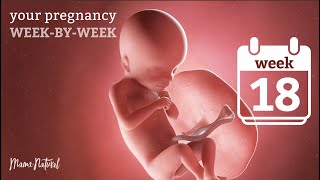
By week 18 of pregnancy, your baby is entering another fascinating stage of development. The brain and nervous system are becoming increasingly complex, while your own nutritional needs remain an important part of prenatal care.
What’s Happening in Your Baby’s Brain?
One of the most remarkable developments during this stage is the continued growth of your baby’s brain and nervous system.
Your baby’s nervous system is developing specialized neurons involved in the five senses—sight, hearing, taste, smell and touch. These systems will continue maturing throughout pregnancy and after birth, helping your baby gradually interact with and respond to the surrounding world.
Another important process beginning around this period is myelination. Myelin is a fatty substance that forms a protective layer around many nerve fibers. It helps nerve signals travel efficiently between different parts of the nervous system.
Myelination doesn’t happen overnight. It begins during fetal development and continues throughout childhood and adolescence, with different areas of the nervous system maturing at different times.
The brain itself contains a significant amount of fat, and certain fatty acids play important roles in normal brain and nervous-system development. This is one reason nutrition during pregnancy deserves attention.
Why Healthy Fats Matter
During pregnancy, eating a varied and nutrient-rich diet can help provide the nutrients needed for both parent and baby.
Healthy sources of dietary fat can include nuts, seeds, avocados, eggs, olive oil and certain types of fish that are considered safe during pregnancy. These foods can also provide other valuable nutrients, including protein, vitamins and minerals.
Rather than focusing on one “superfood,” aim for variety. Combining different food groups throughout the day is generally a more practical approach to meeting nutritional needs.
If you follow a vegetarian, vegan or restricted diet, talk with your healthcare professional or a registered dietitian about whether you need particular nutrients or supplements.
Supporting Your Own Energy
Healthy fats can also contribute to meals that are satisfying and filling. For example, adding nuts or seeds to a salad, avocado to a meal, or using olive oil when preparing vegetables can make everyday foods more nutrient-dense.
However, more fat is not automatically better. Pregnancy nutrition is about balance, and your overall dietary pattern matters more than any single ingredient.
Also be cautious about adding herbal products or supplements to your routine. Natural does not automatically mean safe during pregnancy. Discuss herbal teas, concentrated oils and supplements with your healthcare professional before using them regularly.
A Fascinating Journey of Development
At week 18, your baby’s brain is continuing a complex process that will extend far beyond pregnancy. The development of neurons, connections and myelin is part of the foundation for movement, sensation, learning and many other abilities that emerge throughout childhood.
For expectant parents, this stage is a useful reminder that pregnancy nutrition isn’t about following a perfect menu. A varied, balanced diet, appropriate prenatal care and guidance from qualified healthcare professionals can help support a healthy pregnancy.
Your baby’s development is happening step by step—and there is still a great deal of growing and maturing ahead.
