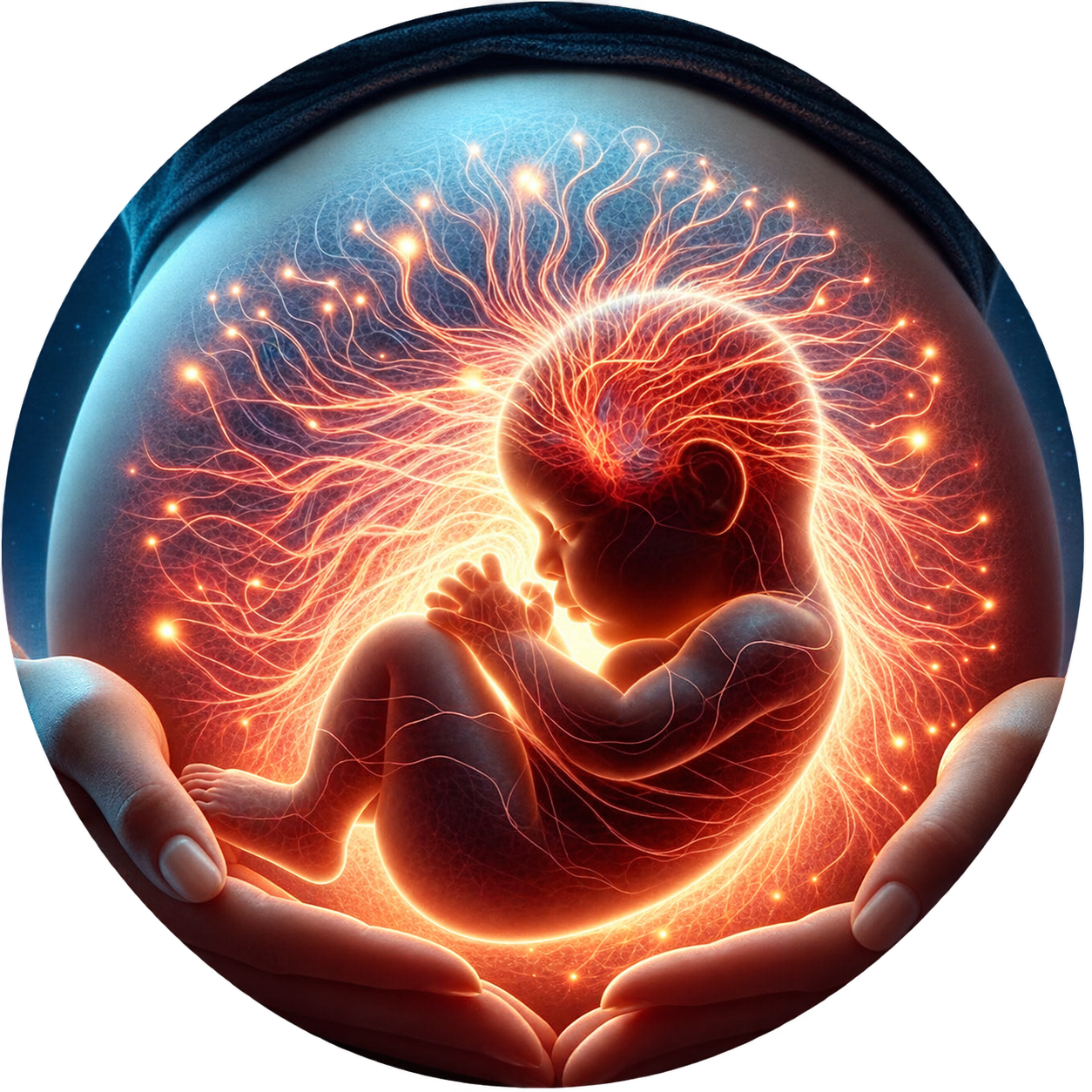
Congratulations, mama—you’ve reached week 28 of pregnancy, which marks the beginning of the third trimester. Your baby is growing rapidly, your body is adapting to new changes, and it’s a good time to start preparing for the final months before birth.
Start Paying Attention to Baby’s Movements
One important topic during the third trimester is fetal movement. Your baby’s kicks, punches, rolls, and stretches may become easier to notice as your baby grows and has less room to move.
Some healthcare providers recommend tracking your baby’s movements through kick counts. The exact method can vary, so ask your doctor or midwife which approach they recommend for you. Generally, you choose a time when your baby is usually active, get comfortable, and pay attention to how long it takes to notice a certain number of movements.
Remember that movements can feel different as pregnancy progresses. Hiccups may feel like rhythmic little pulses, but they aren’t usually counted as purposeful movements.
Most importantly, learn your baby’s usual movement pattern. If you notice a significant decrease or change in movement, don’t wait to see whether it improves on its own—contact your maternity care provider promptly for guidance.
Pregnancy Swelling and Congestion
By week 28, swelling and fluid retention can become more noticeable. Your feet, ankles, hands, and even your nasal passages may feel affected.
Hormonal changes and increased blood volume can contribute to nasal congestion during pregnancy. This may even lead to increased snoring for some people.
Simple comfort measures, such as staying hydrated, getting appropriate physical activity, and resting when needed, may help. However, sudden or severe swelling, particularly when accompanied by symptoms such as a severe headache, vision changes, or upper abdominal pain, deserves prompt medical attention because it can sometimes be associated with pregnancy complications.
What About Eating the Placenta?
Placenta consumption, sometimes called placentophagy, has become a topic of interest among some new parents. It may be consumed in different forms, including capsules or cooked preparations.
However, claims that eating the placenta prevents postpartum depression, increases milk supply, or improves recovery are not well established by high-quality evidence. Processing also does not necessarily eliminate all potential infectious or contaminant risks.
If you’re considering placenta consumption after delivery, discuss it with your healthcare provider before making a decision. Your postpartum recovery, mental health, nutrition, and breastfeeding support should not depend on placenta products.
Prepare for Life After Baby Arrives
Week 28 is also a practical time to discuss how household responsibilities will be handled after birth. Talk with your partner about feeding, cooking, cleaning, nighttime responsibilities, appointments, and other daily tasks.
If you’re taking a childbirth education class, this is also a good point to make sure you’re progressing through the material before the final weeks of pregnancy.
Above all, remember to be kind to yourself. Pregnancy can bring swelling, discomfort, fatigue, heartburn, and many unexpected changes. Your body is going through an extraordinary process, and every pregnancy can look different.
As you enter the third trimester, focus on staying informed, attending your prenatal appointments, monitoring your baby’s usual movements, and building a reliable support system for the exciting weeks ahead.
