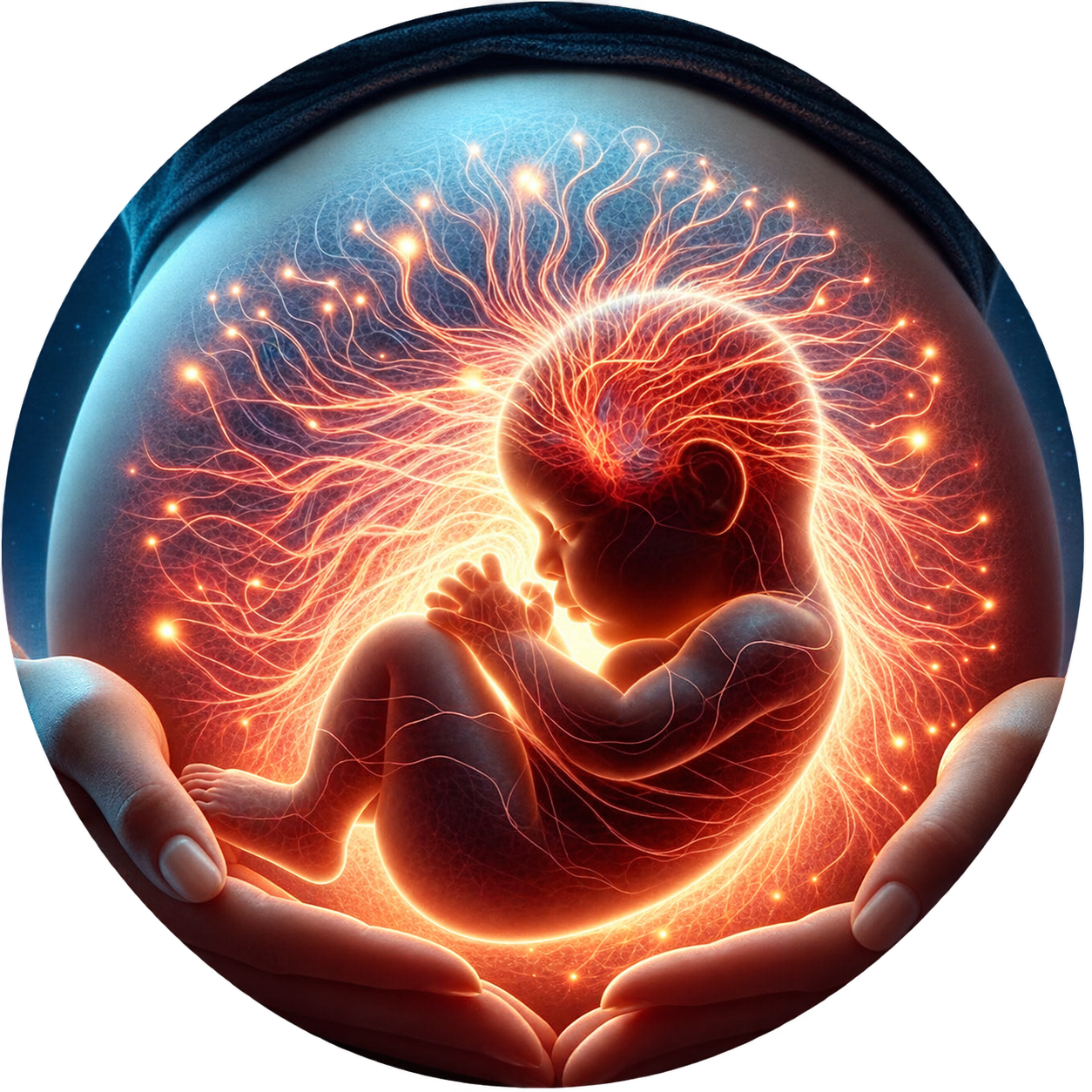

At 10 weeks pregnant, you are approaching the end of the first trimester. Your baby is growing rapidly, while pregnancy hormones continue to create noticeable changes in your body. Some people may begin experiencing symptoms such as heartburn, indigestion, tiredness, or changes in appetite during this stage.
Week 10 is also an important period for early fetal development and discussions about prenatal screening.
Your Baby’s Development at 10 Weeks
Around 10 weeks, the developing baby reaches an important milestone. The term fetus is now used instead of embryo.
Your baby is approximately 1½ inches long, although size can naturally vary. Many of the basic structures of the body have already begun forming and are now entering a period of continued growth and development.
Important Changes This Week
- Joints are developing: Early elbow and knee joints are becoming more defined.
- Fingers and toes are separating: The webbing between the fingers and toes continues to disappear, making them more distinct.
- Teeth are developing: Early tooth structures are forming beneath the gums.
- Eyelids are forming: Developing eyelids are beginning to cover and protect the eyes.
- The kidneys are becoming active: The kidneys have started producing small amounts of urine.
- The digestive system continues developing: The stomach and other digestive structures are becoming more developed and beginning early functions.
Although your baby is still very small, development is happening quickly. Many of the body’s foundational structures are already present and will continue maturing throughout the pregnancy.
Heartburn During Pregnancy
Heartburn and acid reflux can become noticeable during pregnancy. Hormonal changes, including increased progesterone, can relax muscles throughout the digestive system. This can slow digestion and make it easier for stomach contents to move upward toward the esophagus.
Heartburn may feel like a burning sensation in the chest, but it can sometimes be accompanied by a sour taste, throat irritation, or an unpleasant sensation in the mouth.
Everyday Ways to Reduce Discomfort
Some simple habits may help make occasional heartburn easier to manage:
- Eat smaller meals rather than very large meals.
- Pay attention to foods that seem to trigger your symptoms.
- Very spicy, greasy, or heavy foods may make symptoms more noticeable for some people.
- Avoid lying down immediately after eating.
- Give your body some time to digest a meal before going to bed.
- Eat slowly and allow yourself enough time during meals.
- Staying comfortably hydrated throughout the day can support general pregnancy wellness.
Everyone responds differently to foods and meal patterns, so you may find that certain habits work better for your body than others.
If heartburn becomes frequent, severe, or difficult to manage, discuss it with a qualified healthcare professional before using medicines or supplements during pregnancy.
First Trimester Genetic Screening
Around 10 weeks, your prenatal care provider may begin discussing different prenatal screening options.
One option that may be available during the first trimester is a nuchal translucency (NT) ultrasound, generally performed during a specific window of early pregnancy. The examination measures the fluid-filled space near the back of the baby’s neck.
Depending on the screening approach, ultrasound findings may be considered alongside maternal blood tests and other information to estimate the likelihood of certain chromosomal or developmental conditions.
Conditions that may be associated with first-trimester screening include Down syndrome (trisomy 21) and trisomy 18. Some screening approaches may also provide information related to other developmental concerns.
It is important to understand that screening does not provide a diagnosis. It estimates the likelihood of certain conditions and may be followed by additional testing when appropriate.
Prenatal screening is a personal choice. Some people choose screening for additional information, while others may decide not to have certain tests. Your healthcare professional can explain which options are available during your pregnancy and what each test can and cannot tell you.
What to Expect at 10 Weeks
At 10 weeks, your baby’s development is progressing rapidly, while your own body continues adjusting to pregnancy.
You may experience:
- Heartburn or indigestion
- Tiredness
- Nausea
- Changes in appetite
- Breast tenderness
- More frequent urination
- Bloating or digestive discomfort
Not everyone experiences the same symptoms, and some people may have only a few noticeable changes.
Week 10 at a Glance
Baby: Now referred to as a fetus, with developing joints, fingers, toes, eyelids, teeth, kidneys, and digestive structures.
Size: Approximately 1½ inches long.
Your body: Hormonal changes may contribute to heartburn, indigestion, tiredness, and other first-trimester symptoms.
Screening: First-trimester screening options, including NT ultrasound, may be discussed around this stage.
Remember: Pregnancy symptoms can vary significantly from person to person. Your experience does not have to match someone else’s.
Educational Note: BabyVerse USG provides general educational information about pregnancy and baby development. This article does not diagnose health conditions or provide individualized treatment recommendations. If you have severe, persistent, or concerning symptoms, or questions about prenatal screening, speak with a qualified healthcare professional.
