
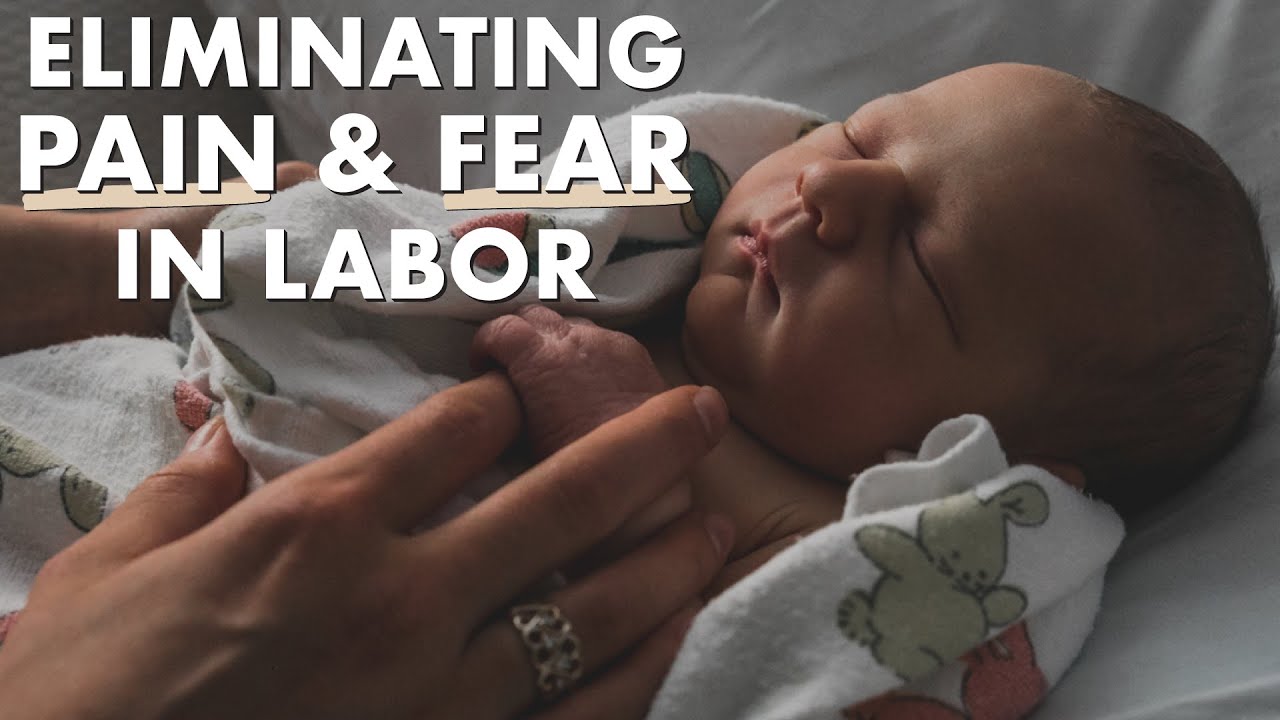
As your due date gets closer, excitement about meeting your baby can come with a few worries. You may wonder how painful labor will be, whether something unexpected might happen, or whether you will be able to stay calm during birth. These feelings are common, especially if this is your first baby.
The good news is that preparing for childbirth isn’t only about buying baby essentials or packing your hospital bag. Preparing emotionally and mentally can also help you feel more confident. Here are six practical ways to work through your fears before labor begins.
1. Identify What You’re Afraid Of
Start by asking yourself what specifically worries you about childbirth. Are you afraid of labor pain, tearing, medical procedures, a C-section, or something happening to your baby?
Instead of thinking, “I’m scared of birth,” try naming the exact concern. Once you identify it, you can find reliable information and support for that particular issue.
2. Write Down Your Concerns
Putting your worries into words can make them feel more manageable. Keep a pregnancy journal and write down the things that make you nervous.
You can also talk openly with your partner or someone you trust. You don’t need to hide your fears or pretend that you’re completely confident. Understanding your emotions is an important part of preparing for birth.
3. Educate Yourself
Fear often grows when you don’t know what to expect. A reputable childbirth education class, reliable pregnancy resources, and conversations with your healthcare provider can help you understand the different stages of labor and the choices that may be available.
If you are particularly worried about something, learn about that specific topic. Understanding your options can help you feel more prepared if circumstances change.
Remember, education isn’t about guaranteeing a particular type of birth. Labor can be unpredictable, and sometimes medical intervention is necessary for the safety of the mother or baby.
4. Talk to an Experienced Professional
Don’t try to handle significant anxiety alone. Talk with your obstetrician, midwife, childbirth educator, or another qualified professional about your concerns.
They can explain what is normal, discuss your individual circumstances, and help you understand when medical attention may be needed. A birth doula may also provide emotional and practical support, depending on your birth setting.
If fear becomes overwhelming or interferes with your everyday life, let your healthcare provider know.
5. Prepare Your Body and Mind
Gentle preparation can help you feel more confident. If your healthcare provider says it’s safe for you, activities such as walking, prenatal exercises, relaxation techniques, and breathing practice can become part of your routine.
You can also create a list of things that help you feel calm—such as music, massage, encouraging words, or having a trusted person nearby.
6. Choose a Supportive Birth Team
The people around you during labor can have a powerful effect on how supported you feel. Talk with your partner and healthcare team about your preferences before the big day.
Choose people who listen to you, respect your decisions, and help you remain calm. A supportive environment can make it easier to communicate your needs and ask questions.
Remember: Birth Doesn’t Have to Be Perfect
It’s natural to have hopes for your birth, but sometimes things don’t go according to plan. An induction, pain medication, assisted delivery, or C-section may sometimes become medically appropriate.
That isn’t a failure.
The goal is to enter childbirth informed, supported, and prepared to make decisions with your healthcare team. You don’t have to eliminate every fear before your baby arrives. Take each concern one step at a time, learn what you can, and remember that asking for help is part of being prepared.
A simple reminder: I can prepare for birth while remaining open to the unexpected.
