
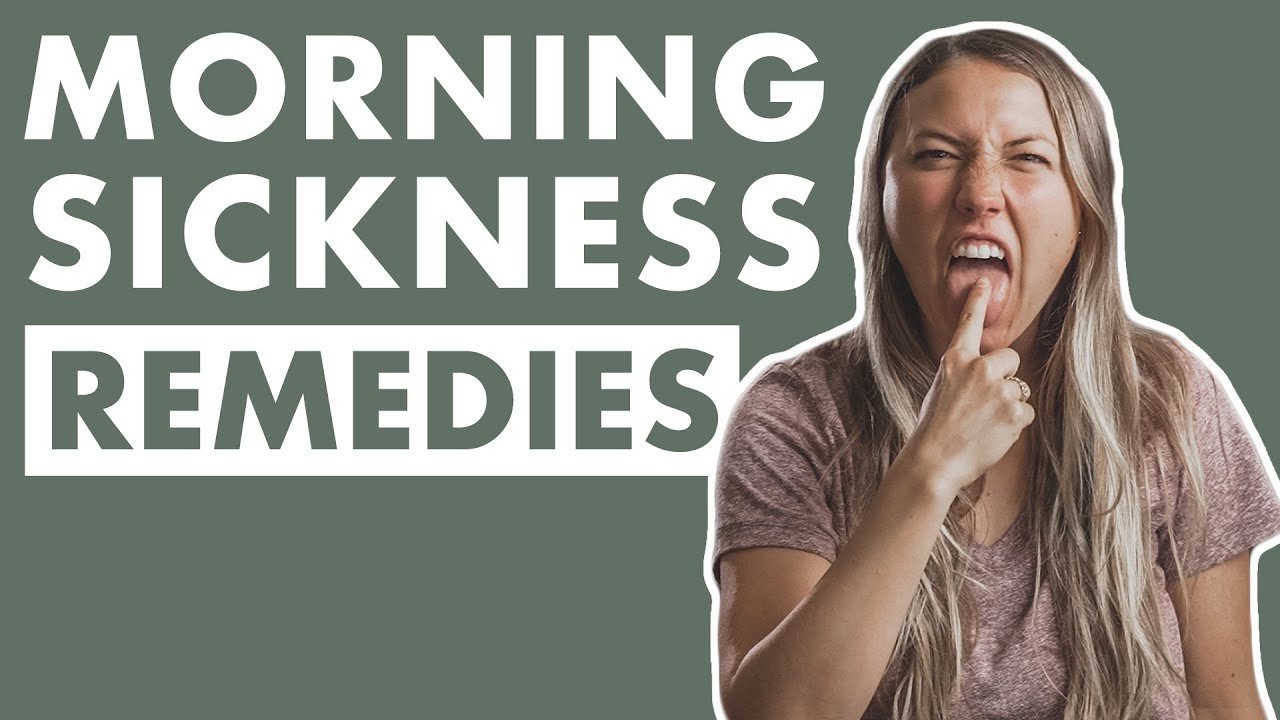
Morning sickness can be one of the toughest surprises of early pregnancy. Despite its name, nausea and vomiting can happen at any time of day, making it difficult to eat, sleep, work, or simply enjoy those first weeks of pregnancy.
Fortunately, several simple strategies may help make nausea more manageable.
1. Prioritize Sleep and Rest
Fatigue can make nausea feel worse. Try maintaining a consistent sleep schedule and giving yourself permission to rest more than usual.
When you wake up, avoid jumping out of bed immediately. Sit up slowly and consider keeping a few plain crackers or another tolerated snack beside your bed. Eating something small before getting up may help if an empty stomach tends to trigger your nausea.
Short daytime naps can also help when nighttime sleep isn’t enough.
2. Eat Small Meals More Often
An empty stomach can make nausea worse for some pregnant people. Instead of relying on three large meals, try eating smaller portions throughout the day.
Simple foods such as toast, crackers, rice, bananas, oatmeal, potatoes, or other foods you tolerate may be easier to manage. Eating slowly and stopping before you become overly full can also help reduce stomach discomfort.
3. Adjust Your Prenatal Vitamin Routine
Prenatal vitamins are important, but some can make nausea worse, particularly when taken on an empty stomach.
Try taking your prenatal vitamin with food or at another time of day if your healthcare provider agrees. Some people find taking it in the evening easier to tolerate.
If your prenatal consistently makes you sick, don’t simply stop taking it without discussing alternatives with your OB-GYN or midwife. They may be able to recommend a different formulation or dosing approach.
4. Don’t Force Foods You Can’t Tolerate
Pregnancy can dramatically change your appetite and food preferences. During particularly difficult periods of nausea, forcing yourself to eat foods that immediately trigger vomiting may make it harder to maintain adequate nutrition and hydration.
Focus first on foods and drinks you can tolerate and keep down. As symptoms improve, you can gradually return to a more varied and balanced diet.
5. Sip Fluids Throughout the Day
Staying hydrated is especially important when you’re experiencing vomiting.
Instead of drinking a large amount at once, try taking small, frequent sips throughout the day. Cold water, ice chips, or other tolerated fluids may be easier for some people.
If drinking with meals makes you feel overly full or nauseated, try separating fluids from meals when practical.
6. Consider Ginger or Acupressure
Ginger may help reduce nausea for some pregnant people. It can be consumed in foods, tea, or other forms. Before using concentrated ginger supplements, discuss appropriate options with your healthcare professional.
Acupressure wristbands that target the P6 point are another non-drug option some people find helpful. They are generally easy to try and can be used alongside other comfort strategies.
7. Know When to Ask for Help
Mild morning sickness is common, but severe vomiting should not simply be endured.
Contact your healthcare provider if you cannot keep fluids down, are urinating much less than usual, feel extremely weak or dizzy, are losing weight, or your symptoms are interfering significantly with daily life. Severe pregnancy-related nausea and vomiting can require medical treatment and sometimes intravenous fluids.
The Bottom Line
Morning sickness can make early pregnancy exhausting, but you don’t have to rely on willpower alone. Rest, small frequent meals, careful hydration, appropriate prenatal-vitamin timing, ginger, and acupressure may provide relief for some people.
Most importantly, listen to your body and seek professional help when symptoms become difficult to manage. Your OB-GYN or midwife can help you find safe treatment options that fit your individual pregnancy.
