At 7 weeks pregnant, you are well into your second month of pregnancy. Your baby is still very small, but development is moving quickly. At the same time, pregnancy hormones may bring noticeable changes to your body, including nausea, tiredness, breast tenderness, food aversions, and more frequent urination.
Every pregnancy is different, so you may experience several symptoms, only a few, or none at all.
How Your Baby Is Developing at 7 Weeks
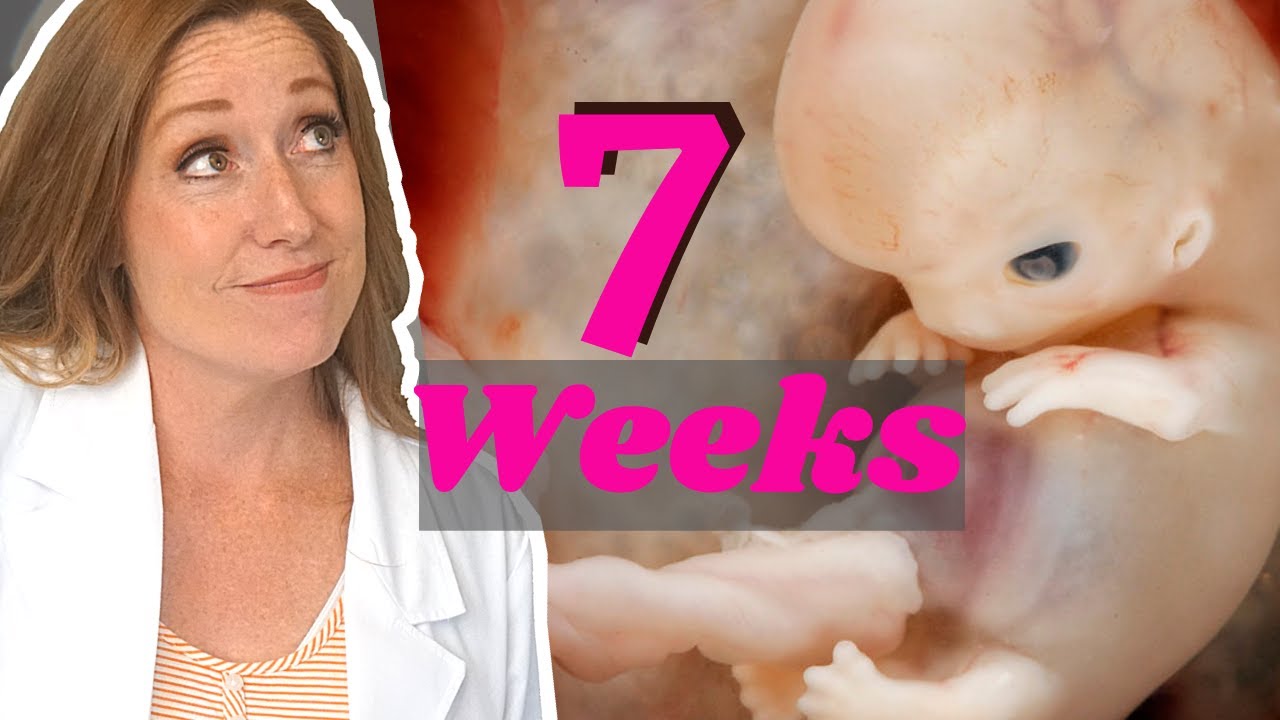
At around week 7, the embryo is approximately the size of a small blueberry. Although tiny, important changes are taking place throughout the developing body.
Arms, Legs, Fingers, and Toes
Small limb buds are becoming more defined as the early arms and legs continue developing. The hands and feet are still in an early stage, with the structures that will eventually become individual fingers and toes beginning to take shape.
Facial Features
Early facial structures are developing rapidly. The mouth and tongue are beginning to form, while other features will continue becoming more recognizable during the coming weeks.
Brain and Internal Organs
The brain is developing rapidly during this stage. Early internal organs and body systems are also continuing their formation, including structures associated with the kidneys and digestive system.
What May Be Seen on an Ultrasound?
Depending on the timing of the pregnancy, the equipment used, and individual circumstances, an ultrasound may show the gestational sac and developing embryo.
Cardiac activity may also be visible during an early ultrasound. The yolk sac may be seen as well and plays an important role in supporting the early pregnancy before the placenta takes over more of these functions.
Early ultrasound findings can vary, so your healthcare professional is the best person to explain what is visible during an individual scan.
Common Symptoms at 7 Weeks Pregnant
Pregnancy hormones can make symptoms more noticeable around week 7.
Nausea and Food Aversions
Nausea, sometimes accompanied by vomiting, is common during early pregnancy. Some people also develop strong food aversions, where particular foods, smells, or cooking aromas suddenly become unpleasant.
Eating smaller meals and choosing foods that feel comfortable may be easier for some people when nausea is present.
Frequent Urination
You may notice more frequent trips to the bathroom during the day or night. Hormonal and circulatory changes contribute to changes in how your body handles fluids during early pregnancy.
Breast Changes
Breasts may become larger, tender, sensitive, or achy. The areolas can also gradually become darker as pregnancy progresses.
Pregnancy Dos: Helpful Everyday Habits
A balanced routine can support general wellbeing during pregnancy.
- Choose a variety of nutritious foods, including fruits, vegetables, whole grains, protein sources, and other nutrient-rich foods.
- Choose pregnancy-safe seafood. Some fish provide useful nutrients, while certain fish contain higher levels of mercury. Follow current guidance from your healthcare professional or a trusted public-health source when choosing seafood.
- Stay physically active if appropriate for your pregnancy. Comfortable activities such as walking may be suitable for many people, but individual exercise needs can differ.
- Travel thoughtfully. If you are taking a long car or plane journey, discuss any pregnancy-specific concerns with your healthcare professional and follow appropriate seat-belt and travel-safety guidance.
- Attend prenatal appointments and discuss medications, supplements, exercise, travel, and nutrition with your healthcare professional.
Pregnancy Don’ts: Things to Be Careful About
Some everyday exposures deserve extra attention during pregnancy.
- Avoid raw or undercooked meat, eggs, and seafood and choose appropriately pasteurized dairy products and juices.
- Take care around cat litter and soil. Cat feces can potentially carry the parasite that causes toxoplasmosis, so appropriate precautions are important.
- Avoid alcohol during pregnancy.
- Avoid tobacco and recreational drugs, which can pose risks during pregnancy.
- Check travel health information before visiting areas where certain infections, including mosquito-borne illnesses, may be circulating.
Taking Care of Yourself at Week 7
Pregnancy can bring many physical and emotional changes. Rest when you need it, eat foods that are comfortable and nutritious, and stay hydrated.
If you use prenatal vitamins, supplements, medications, herbal products, or other remedies, discuss them with a qualified healthcare professional to make sure they are appropriate for your individual circumstances.
You do not need to have the exact same symptoms as another pregnant person. Some people experience significant nausea, while others feel relatively normal at 7 weeks.
When to Contact a Healthcare Professional
Some symptoms deserve prompt professional attention, particularly if they are severe, persistent, or unexpected.
Examples include significant abdominal or pelvic pain, heavy bleeding, severe or repeated vomiting that makes it difficult to keep fluids down, sudden breathing difficulties, or notable swelling or pain in one leg.
If you are concerned about a symptom during pregnancy, contacting your healthcare professional can help you understand what it may mean and whether an assessment is appropriate.
Final Thoughts
At 7 weeks pregnant, your baby is still tiny, but the foundations of the brain, facial features, limbs, and internal organs are developing rapidly. Meanwhile, your body may be adjusting to major hormonal changes.
A balanced lifestyle, pregnancy-safe food choices, appropriate activity, and regular prenatal care can help you navigate this early stage with greater confidence.
Educational note: BabyVerse USG provides general educational information about pregnancy and baby development. This article is not medical advice, does not diagnose conditions, and does not recommend individual treatments. For personal questions about your pregnancy, medications, supplements, symptoms, exercise, or travel, speak with a qualified healthcare professional.
