Reaching eight weeks of pregnancy can feel both exciting and overwhelming. Your baby is going through remarkable changes, while your own body may be responding to pregnancy hormones in ways you did not expect. For some women, symptoms can be subtle; for others, nausea, fatigue, cramping, breast tenderness, and emotional changes may become much more noticeable.
If this is not your first pregnancy, you may also notice that this pregnancy feels different from your previous experience. An earlier-looking belly, stronger pelvic sensations, or different patterns of nausea do not necessarily mean that something is wrong. Every pregnancy can develop differently, even for the same person.
What Is Happening at 8 Weeks?
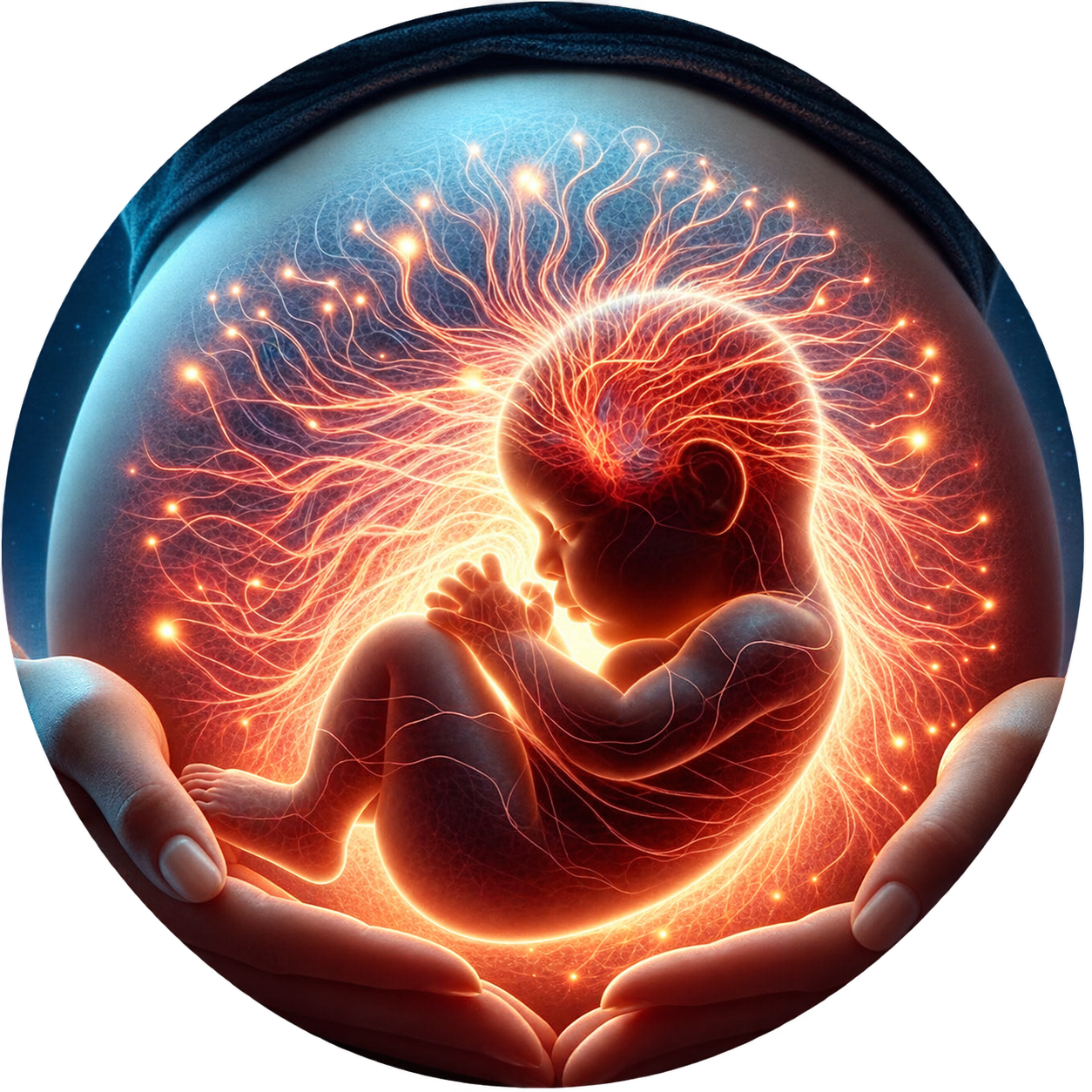
At eight weeks, your baby is undergoing rapid development. The embryo is developing recognizable body structures, including the beginnings of the arms and legs, while facial features and internal organs continue to develop.
Your uterus is also growing to accommodate the pregnancy. Although the baby is still very small, hormonal changes and changes in the uterus can make your abdomen feel different. Bloating can also contribute to an early pregnancy belly appearance.
It is important to remember that the size and appearance of your belly at this stage cannot reliably tell you how the pregnancy is progressing. Body shape, previous pregnancies, bloating, muscle tone, and individual anatomy can all influence what you notice.
Pregnancy Symptoms Can Arrive at Different Times
There is no single symptom schedule that every pregnant person follows. Some women experience significant nausea and fatigue around eight weeks, while others have relatively mild symptoms.
Common symptoms can include:
- Nausea or vomiting
- Extreme tiredness
- Breast tenderness or fullness
- Increased urination
- Bloating
- Food aversions or cravings
- Heightened sensitivity to smells
- Mild pelvic cramping
- Emotional changes
Pregnancy symptoms can also fluctuate from one day to another. A temporary change in symptoms does not automatically indicate a problem, but concerns about symptoms should always be discussed with a qualified healthcare professional.
Why Can a Second Pregnancy Feel Different?
A subsequent pregnancy may feel noticeably different from a first pregnancy. The abdominal muscles and connective tissues have already experienced pregnancy, and some people begin showing earlier.
You may also become more aware of sensations because you recognize them from a previous pregnancy. Pelvic pressure, stretching sensations, or abdominal changes that seemed unfamiliar the first time may be easier to notice during a later pregnancy.
However, stronger symptoms are not automatically a sign that the pregnancy is healthier or less healthy. Pregnancy experiences vary enormously.
Understanding Pelvic Cramping
Mild cramping can occur during early pregnancy as the uterus changes and surrounding tissues respond to pregnancy. Some women describe sensations as pulling, stretching, pressure, or mild menstrual-like cramps.
The important distinction is severity and associated symptoms. Mild, occasional discomfort can occur during early pregnancy, but severe, persistent, or worsening pain deserves medical attention.
Particularly concerning symptoms include severe pain concentrated on one side, significant vaginal bleeding, dizziness, fainting, shoulder pain, or feeling unusually weak. These symptoms can sometimes indicate a pregnancy complication, including ectopic pregnancy, and require urgent medical assessment.
What About Spotting?
Light spotting can occur during early pregnancy and does not always mean that a pregnancy is ending. Nevertheless, vaginal bleeding during pregnancy should not simply be dismissed.
The amount, color, duration, and accompanying symptoms all matter. If you notice spotting or bleeding, contact your OB-GYN, midwife, or other pregnancy care provider for individualized advice. Your healthcare professional can determine whether an examination, ultrasound, blood testing, or additional monitoring is appropriate.
Do not rely on online symptom comparisons alone to determine whether bleeding is normal.
Your Baby’s Development Matters More Than Symptom Intensity
One of the most important things to remember at eight weeks is that symptoms are not a reliable measurement of your baby’s health. Someone can have intense morning sickness and a healthy pregnancy, while another person may have very few symptoms and also have a healthy pregnancy.
Instead of comparing your pregnancy with someone else’s—or even comparing it too closely with a previous pregnancy—focus on appropriate prenatal care.
Attend scheduled appointments, take medications and supplements only as recommended by your healthcare provider, stay hydrated, eat foods you can tolerate, and seek medical advice whenever something concerns you.
When to Contact Your Healthcare Provider
Contact your pregnancy care team if you experience symptoms that concern you, especially:
- Heavy vaginal bleeding
- Severe or persistent abdominal or pelvic pain
- Severe one-sided pain
- Fainting or significant dizziness
- Fever
- Persistent vomiting that prevents you from keeping fluids down
- Shoulder pain accompanied by abdominal pain or bleeding
If symptoms are severe or you feel that something is seriously wrong, seek urgent medical care rather than waiting for a routine appointment.
A New Chapter Is Already Underway
Eight weeks may still feel incredibly early, but enormous changes are already taking place. Your baby’s developing body is becoming increasingly complex, while your own body is adapting to the hormonal and physical demands of pregnancy.
Whether this is your first pregnancy or another chapter in your journey, there is no requirement for your experience to look exactly like anyone else’s. Symptoms can vary, bellies can appear at different times, and every pregnancy follows its own pattern.
The best approach is to stay connected with your healthcare team, pay attention to significant changes, and give yourself permission to experience pregnancy one day at a time.
