
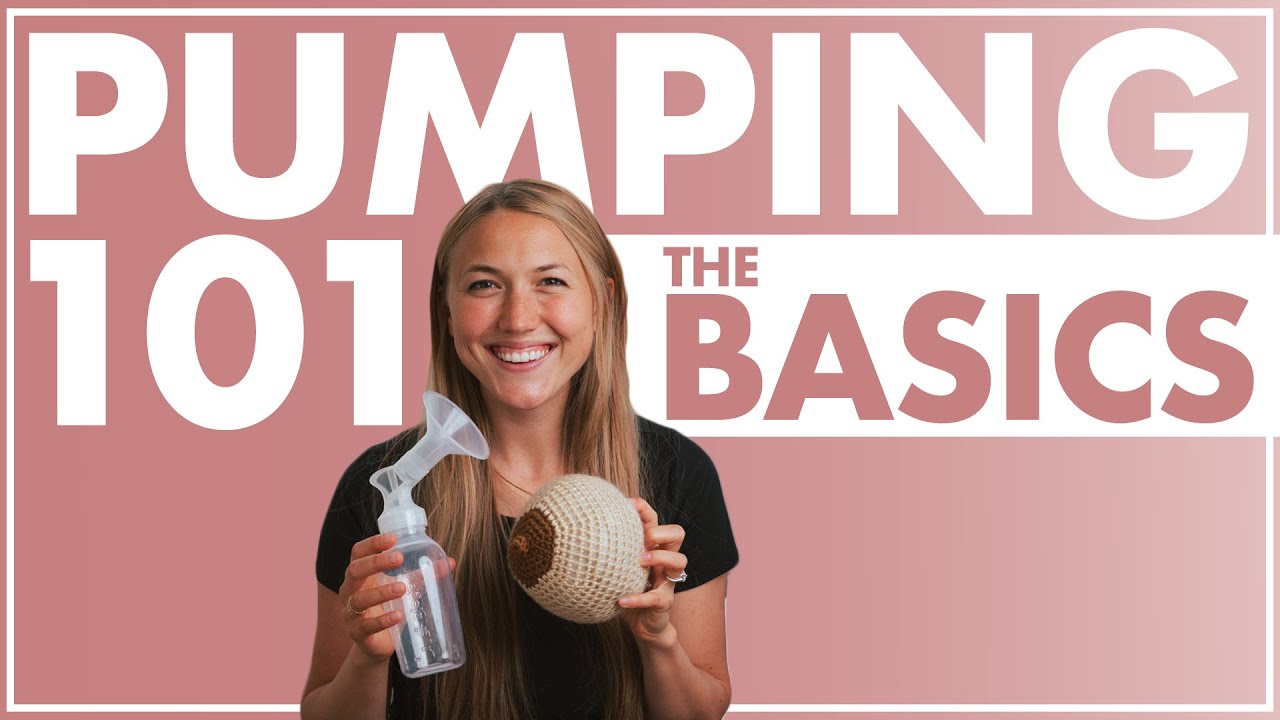
Breast pumping can make feeding more flexible when you return to work, attend school, spend time away from your baby, or simply want another caregiver to help with feeding. However, pumping is not essential for everyone who breastfeeds. Your routine should fit your family’s needs, your baby’s feeding patterns, and your milk-supply goals.
Understanding when to pump, how to choose comfortable settings, and how to store expressed milk safely can help you feel more confident.
When Should You Start Pumping?
There is no single best time to introduce a breast pump. If breastfeeding is going well and you are usually with your baby, you may not need to pump regularly.
During the early weeks, focus on learning your baby’s feeding cues and establishing effective breastfeeding. If your baby has difficulty latching, is premature, or needs supplemental feeding, a healthcare professional may recommend expressing milk earlier.
If you plan to return to work or will regularly be separated from your baby, consider learning to use your pump in advance. Introducing occasional pumping when appropriate can help you become familiar with your equipment. Starting extra sessions very early may increase milk production beyond your baby’s needs, so seek individualized guidance if you are trying to build a freezer stash.
A silicone milk collector may catch milk that leaks from the opposite breast during nursing, but suction-based collectors can also remove milk and potentially increase supply.
Creating a Pumping Routine
Many breastfeeding parents find that pumping in the morning produces a useful amount of milk. Others prefer a different time depending on their baby’s schedule and their own comfort.
If you are pumping in addition to direct breastfeeding, try a convenient session after a feed. Start gently and adjust the schedule according to your needs.
When you are away from your baby, pumping at approximately the times your baby would normally feed can help maintain milk production. The ideal frequency depends on your baby’s age, feeding pattern, and whether you are exclusively pumping or combining pumping with nursing.
Remember that your breasts continue producing milk throughout the day. If your baby seems hungry after a pumping session, you can generally offer the breast again. Pumping output alone does not reliably measure your overall milk supply.
Choose a Comfortable Fit and Suction Level
The breast pump flange—the funnel-shaped part that fits over your nipple—should be correctly sized. Your nipple should move freely through the tunnel without painful rubbing, pinching, or excessive pulling of the surrounding areola.
Begin with a low suction setting and increase it gradually until it feels comfortable and effective. Stronger suction does not automatically produce more milk. Pumping should not be painful; if discomfort continues, check your flange size and seek help from a lactation consultant.
Gentle breast massage or compression while pumping may help milk flow for some people. Avoid forceful pressure, particularly if your breasts are tender.
Breast Milk Storage: Know the Current Guidelines
Safe storage helps protect expressed milk. For healthy, full-term babies, the US Centers for Disease Control and Prevention (CDC) provides these general guidelines for freshly expressed breast milk:
- Room temperature: Up to 4 hours at 77°F (25°C) or colder.
- Refrigerator: Up to 4 days at 40°F (4°C) or colder.
- Freezer: Best used within 6 months; up to 12 months is acceptable at 0°F (-18°C) or colder.
- Thawed milk in the refrigerator: Use within 24 hours after it has completely thawed.
- Milk left over after a feeding: Use within 2 hours after the baby finishes feeding, then discard any remaining milk.
Store milk toward the back of the refrigerator or freezer, where temperatures are more stable, rather than in the door. Label containers with the date expressed and use the oldest milk first. Freeze milk in small portions to reduce waste, leaving room for expansion.
Thaw frozen milk in the refrigerator or in lukewarm water. Never microwave breast milk, because it can heat unevenly and create hot spots. Once milk has been thawed, do not refreeze it.
Storage guidance can differ for premature or medically vulnerable infants, so follow your healthcare team’s instructions when applicable.
Let Go of Pumping-Ounce Guilt
The amount collected during a session varies with the time of day, how recently your baby fed, your equipment, and your individual physiology. If you are nursing directly and pumping afterward, collecting a small amount can be completely normal.
Instead of judging your milk supply by one bottle, consider your baby’s weight gain, diaper output, feeding effectiveness, and advice from your healthcare provider.
Final Thoughts
Breast pumping can support flexibility, but there is no need to follow a rigid schedule that does not suit your circumstances. Choose comfortable equipment, create a routine around your needs, and handle expressed milk safely. With the right information and support, pumping can become a manageable part of your feeding journey.
Disclaimer: This article is for educational purposes and does not replace personalized medical advice. Consult your healthcare provider or a qualified lactation consultant about your pumping schedule, milk supply, or your baby’s feeding needs.
