
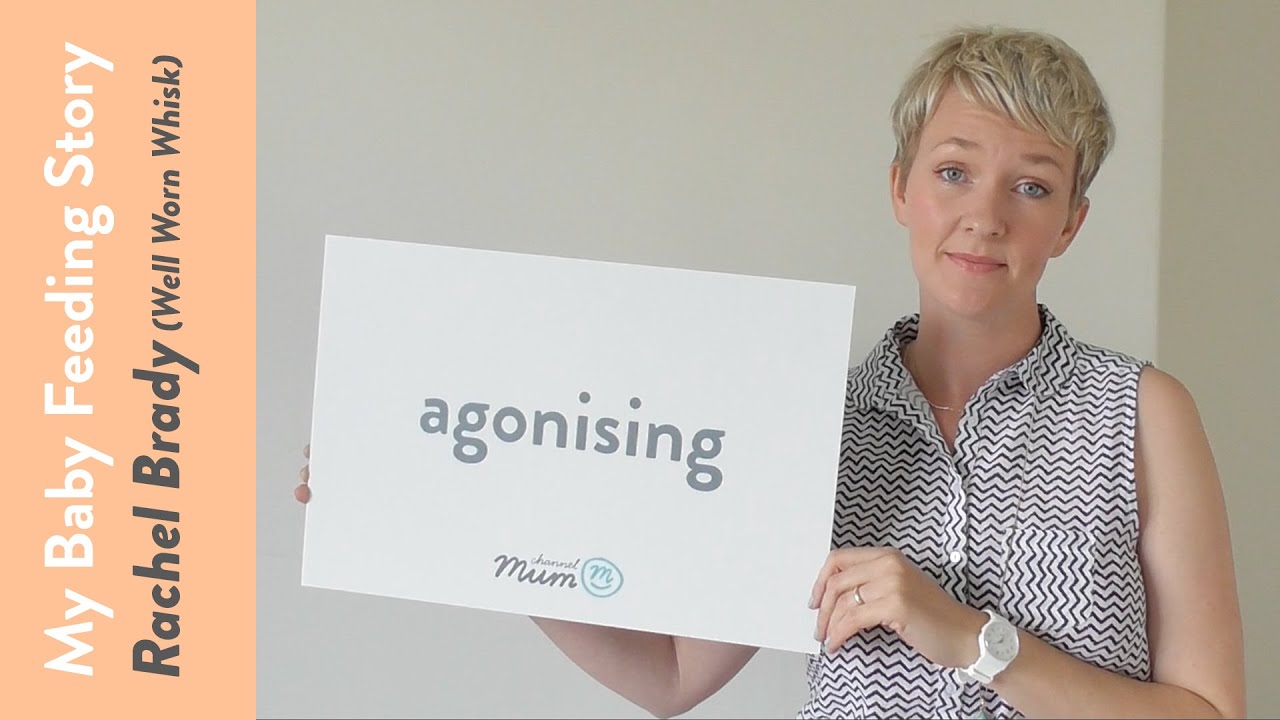
Breastfeeding is often discussed as an important part of preparing for a new baby, but the reality can sometimes be very different from what parents expect. For one mother, breastfeeding became a challenging experience with both of her children. Her story highlights the importance of realistic expectations, practical support, and understanding that feeding journeys can take many different paths.
Preparing to Breastfeed
Before her first child, Arthur, was born, she felt very prepared. She had read books, attended antenatal classes, and even joined an additional breastfeeding session. She expected breastfeeding to be something she could learn and manage after her baby arrived.
Arthur was born by C-section, and although she initially managed to breastfeed, difficulties developed after returning home. During a follow-up visit several days later, Arthur was found to have lost more weight than expected and had become dehydrated. The family returned to hospital, where he received treatment and additional feeding support.
The experience was frightening and emotionally difficult for a new mother.
A Demanding Feeding Routine
After returning home, she was advised to follow a routine involving breastfeeding, offering additional formula, and expressing milk. Because newborns feed frequently, this became a demanding cycle that left very little time for rest.
She eventually rented an electric breast pump and spent a considerable amount of time expressing milk. After around six weeks, she decided that she could no longer continue with the routine and moved to bottle feeding.
At the time, she felt that she had failed because breastfeeding had not worked out as she had hoped. Looking back, however, she recognized how emotionally and physically demanding those early weeks had been.
A Different Decision With Her Daughter
When her daughter was born, her previous experience was still in the back of her mind. She wanted to try breastfeeding again but was also worried about her baby needing hospital care.
On one particularly difficult night, her partner encouraged her to get some sleep while he gave their daughter a bottle. After resting, she felt more prepared to continue trying. However, she found that combination feeding was difficult to manage in practice.
Eventually, she decided to use bottles instead. At a later weight check, her daughter had gained weight, which gave her reassurance that she had made the decision that felt right for her family at that time.
The Emotional Side of Feeding
One of the strongest themes in this personal story is the emotional pressure surrounding breastfeeding. The mother explained that she continued to think of her experience as a personal failure, even though both of her children later grew and thrived.
She also believes that expectant parents should hear more honest conversations about how challenging breastfeeding can sometimes be. Preparing for possible difficulties may help parents feel less surprised if feeding does not happen as easily as they imagined.
Every Feeding Journey Is Different
Breastfeeding experiences can vary greatly from one parent and baby to another. Some families breastfeed, some use formula, and some combine different feeding methods during their baby’s early months.
A difficult breastfeeding experience does not define someone’s ability as a parent. Parents can face unexpected challenges, make changes, and choose different feeding approaches as their circumstances develop.
This article is based on a personal experience and is intended for general educational purposes only. It is not medical advice. If you have concerns about your baby’s feeding, weight, hydration, or your own wellbeing, speak with a qualified healthcare professional or lactation specialist for personalized guidance.
