
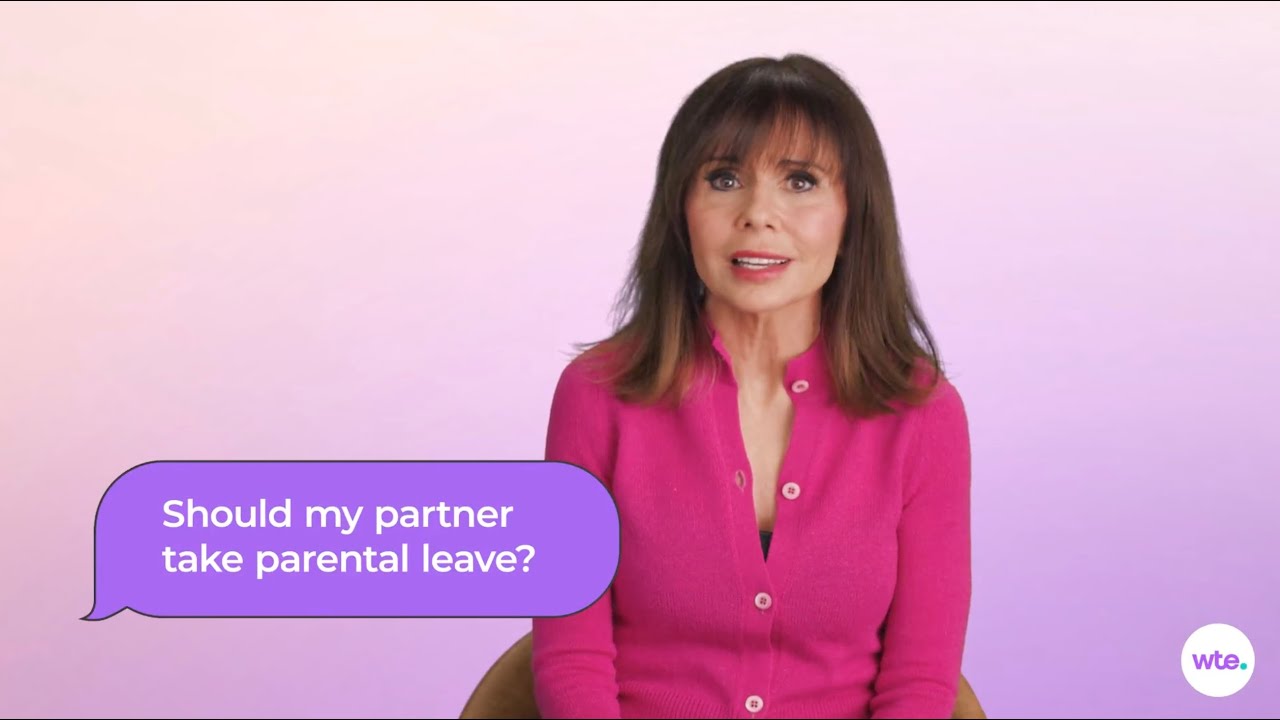
The arrival of a baby changes daily life for the entire family. While much attention naturally focuses on the mother’s recovery and the baby’s needs, the other parent can also play an important role during the early weeks. Paternal leave gives a father or other non-birthing parent an opportunity to spend more time caring for the baby, supporting the recovering parent, and learning the routines that come with newborn care.
Why Early Parental Leave Matters
The first weeks after childbirth can involve major physical and emotional changes. Having another parent available can make everyday responsibilities easier to manage. Feeding support, diaper changes, bathing, soothing, household tasks, and appointments can all require time and energy. When one parent is recovering, sharing these responsibilities can provide valuable practical support.
Time away from work can also give a father an opportunity to become familiar with his baby’s routines. Rather than being limited to occasional caregiving after working hours, he can participate in ordinary activities throughout the day. This can help both parents develop confidence with newborn care and create opportunities for meaningful family bonding.
Supporting Recovery After Childbirth
Recovery after delivery varies from person to person. Some parents may feel physically well relatively quickly, while others may need considerably more time and assistance. Recovery can also be different after a cesarean birth because abdominal surgery can affect movement and everyday activities during the healing period.
A partner who is on leave can help with tasks that require lifting, bending, carrying, driving, meal preparation, and household organization. This does not replace medical care, but it can make it easier for the recovering parent to follow medical advice and get opportunities for rest.
The support can also be emotional. New parents may experience tiredness, uncertainty, mood changes, and stress while adjusting to life with a newborn. Having someone available to listen, share responsibilities, and communicate with healthcare professionals when needed can be valuable.
Paying Attention to Postpartum Warning Signs
Another parent can also help notice changes in the recovering parent’s health. Some postpartum symptoms require prompt medical attention, and a tired parent may not always recognize that something is unusual.
Partners can pay attention to concerning changes and encourage medical evaluation when appropriate. Severe or worsening pain, heavy bleeding, breathing difficulties, chest pain, severe headache, vision changes, fever, or significant emotional or behavioral changes should not simply be ignored. Emergency symptoms require urgent medical attention.
Partners can also support mental health by taking emotional concerns seriously. Persistent sadness, severe anxiety, overwhelming feelings, or difficulty functioning can be signs that professional support may be needed.
How Long Should Paternal Leave Last
There is no single period of leave that works for every family. The appropriate amount depends on employment policies, finances, available benefits, medical circumstances, childcare arrangements, and the family’s individual needs.
Some families may benefit from having the father or other parent home for several weeks immediately after birth. Longer leave can provide additional time for adjustment and allow the non-birthing parent to become more involved in everyday care.
Families should check their employer’s policies and the laws that apply to their location because parental leave rights and paid leave programs vary. In the United States, for example, federal and state rules can differ, and eligibility for protected or paid leave depends on specific circumstances.
Using Leave in Separate Periods
Parental leave does not always have to be used as one continuous period. When workplace policies allow flexibility, some families may choose to use a portion immediately after birth and save another portion for a later transition.
One possible approach is to use a substantial period during the early recovery stage and reserve additional leave for when the other parent returns to work. This can provide extra childcare support during a major change in the family’s routine.
Having the father at home during a return-to-work period can also give him more opportunities to care for the baby independently. This arrangement may help both parents become comfortable with sharing responsibilities and managing different parts of the baby’s daily routine.
Planning Leave Around Family Needs
Before the baby arrives, parents can discuss how leave might be used and what responsibilities each person will handle. Important considerations include feeding arrangements, nighttime care, medical appointments, household tasks, transportation, older children, and financial commitments.
It is also useful to avoid treating parental leave simply as vacation time. The early weeks can be demanding, and the parent who is home from work may still have a full schedule of caregiving and household responsibilities.
Paternal leave can provide valuable time for a father to participate in newborn care while supporting the recovering parent. Whether leave is taken immediately, divided into several periods, or planned around a return to work, the most useful arrangement is one that fits the family’s health, finances, employment situation, and practical needs.
