The first few weeks after having a baby can feel like a beautiful blur of feeding, sleeping, cuddling, and recovering. Whether you have a vaginal birth or a C-section, your body needs time and care to heal. Postpartum self-care isn’t selfish—it is an important part of looking after yourself while adjusting to life with a newborn.
Caring for Your Body After a Vaginal Birth
After vaginal delivery, soreness, swelling, stitches, or hemorrhoids can make sitting and moving uncomfortable. Cold packs wrapped in a clean cloth may provide temporary relief from swelling and discomfort. Some mothers also find warm sitz baths soothing.
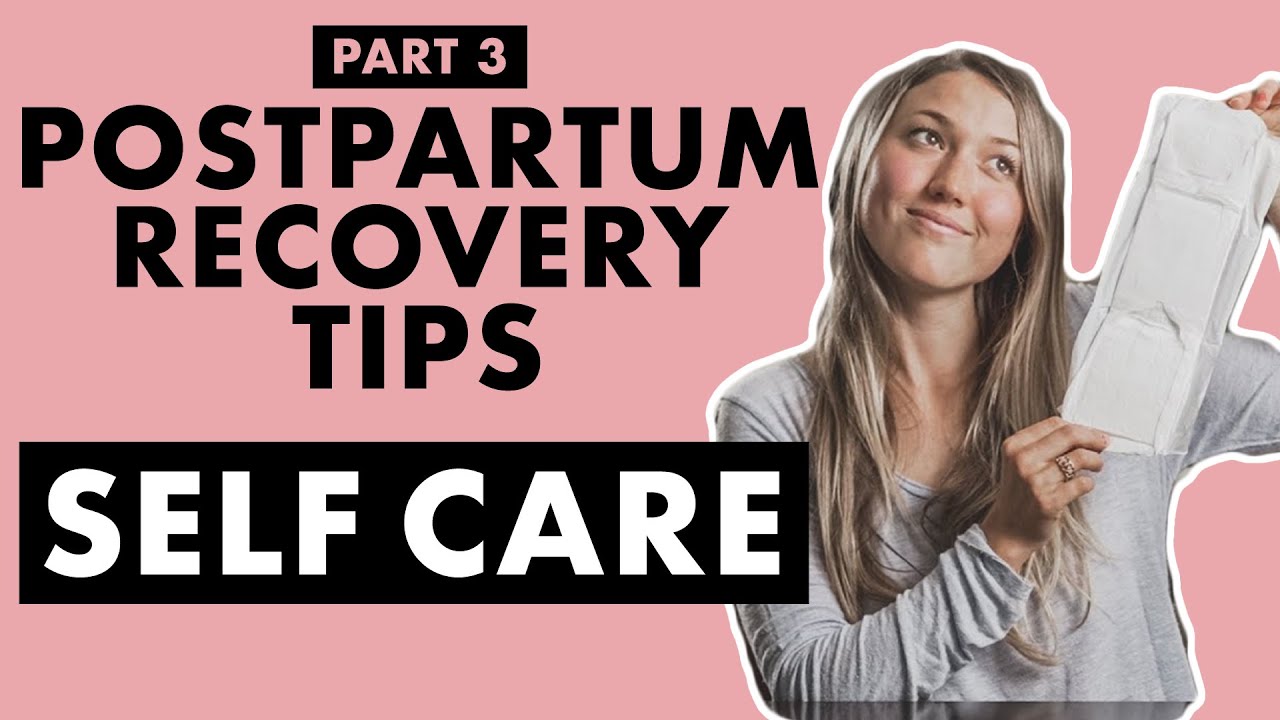
If you use a postpartum pad for cooling relief, keep the ingredients simple and avoid putting irritating substances or essential oils directly on healing tissue unless your healthcare provider says they are appropriate. Never insert tampons during the early postpartum period; use maternity or sanitary pads to manage bleeding.
Your healthcare provider can also recommend appropriate perineal-care products and tell you when bathing or soaking is safe based on your individual recovery.
C-Section Recovery Requires Extra Care
A C-section is major abdominal surgery, so recovery deserves special attention. Avoid lifting anything heavier than your healthcare provider recommends and accept help whenever possible.
Getting out of bed can also be uncomfortable. Many people find it easier to roll onto their side first, move their legs toward the edge of the bed, and then use their arms to help themselves sit up rather than suddenly engaging their abdominal muscles.
Keep the incision clean and dry according to your provider’s instructions, and wear loose, comfortable clothing that doesn’t constantly rub against the area. Follow your surgical team’s instructions about showering, exercise, lifting, and wound care.
Keep Food and Water Close
Newborn care can make it surprisingly easy to forget your own basic needs. Set up a small recovery station wherever you spend the most time feeding or resting.
Keep a large water bottle nearby along with convenient, nutritious snacks such as fruit, nuts, yogurt, whole-grain crackers, or protein-rich foods. Staying hydrated is particularly important if you are breastfeeding, although drinking excessive amounts of fluid does not automatically increase milk supply.
Regular nourishing meals can also help provide the energy needed for recovery and newborn care.
Don’t Try to Do Everything Yourself
One of the most useful forms of postpartum self-care is delegating everyday responsibilities. If someone offers to help, let them wash dishes, prepare meals, run errands, or look after older children while you rest.
You don’t need to prove that you can handle everything alone. Your recovery is a legitimate reason to ask for support.
Gentle movement, when medically appropriate, can also be beneficial. Change positions regularly and gradually increase activity according to your healthcare provider’s advice rather than trying to return immediately to your pre-pregnancy routine.
Your Mental Health Matters Too
Postpartum recovery isn’t only physical. Hormonal changes, sleep deprivation, pain, feeding challenges, and the enormous adjustment to parenthood can affect your emotions.
Talk honestly with your partner, family, friends, or another trusted person about how you’re feeling. Consider joining a parent-support group if you want to connect with people experiencing similar challenges.
It’s also okay to step away from social media accounts that make you feel inadequate or encourage unhealthy comparisons. Real postpartum life rarely looks as perfect as a carefully edited photograph.
Know When to Ask for Medical Help
Don’t wait for a routine postpartum appointment if something feels wrong. Contact your healthcare provider promptly if you experience concerning symptoms such as heavy bleeding, fever, worsening pain, signs of infection, problems with your incision, severe headache, breathing difficulties, chest pain, or significant emotional distress.
And if you are struggling emotionally, remember that asking for professional help is a strength—not a failure.
Postpartum self-care doesn’t have to be complicated. Rest when you can, nourish your body, protect your healing areas, accept help, and pay attention to your mental wellbeing. You are recovering while caring for a brand-new human being, and you deserve care, too.
