Pregnancy week 11 brings several fascinating changes as your baby continues growing and your body adapts to the demands of pregnancy. Some early symptoms may still be present, while new issues such as constipation can become noticeable. This is also a useful time to understand caffeine intake and make practical choices that support your health.
How Your Baby Is Developing in Week 11
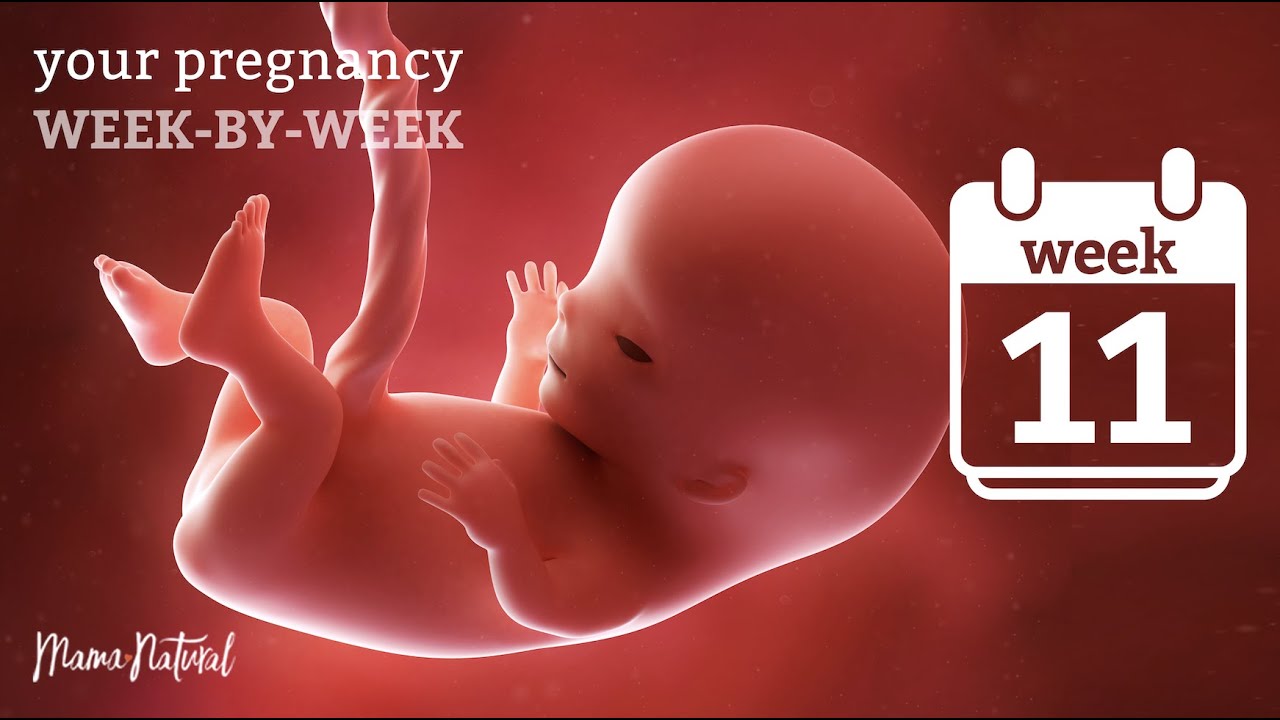
Around week 11, your baby is growing rapidly and becoming more recognizable. The neck is developing and becoming more defined, allowing the head to gradually move into a more upright position. Although the head remains proportionally large compared with the rest of the body, the overall appearance is becoming increasingly human-like.
Several small but important structures are developing during this stage. Hair follicles are beginning to form, and the nipples are developing on the chest. Tooth buds are also forming beneath the gums. These early tooth structures will eventually develop into the primary teeth that appear after birth.
Your baby’s digestive system is also becoming more active. Parts of the digestive tract can begin making rhythmic muscle movements called peristalsis. These movements are part of the normal development of the digestive system. Small movements such as swallowing and other early reflex-like activity may also occur, although they are not something you can normally feel from outside the uterus.
Hiccups can occur during fetal development as the nervous system and muscles mature. They are generally not something a pregnant person notices this early.
Understanding Constipation During Pregnancy
Constipation is a common pregnancy complaint and can occur during the first trimester. Hormonal changes, particularly increased progesterone, can slow movement through the digestive tract. Changes in diet, reduced physical activity, iron-containing prenatal supplements, and other individual factors can also contribute.
Fortunately, several simple habits may help. Drinking adequate fluids, eating fiber-rich foods, and staying physically active when your pregnancy allows can support regular bowel movements. Fruits, vegetables, whole grains, beans, nuts, and seeds can all contribute useful dietary fiber.
Pears, for example, contain fiber and can be part of a balanced pregnancy diet. Other fruits such as berries, apples, oranges, and prunes may also contribute to overall fiber intake.
Iron is an important nutrient during pregnancy, but some iron supplements can cause constipation or other digestive side effects. This does not mean that synthetic iron is unsafe or that everyone should switch to a food-based prenatal vitamin. If your prenatal supplement is causing significant constipation, speak with your healthcare professional before changing or stopping it. They may recommend a different formulation, dose, or type of iron.
Magnesium supplements are sometimes used for constipation, but they are not appropriate for everyone and should not be taken in high amounts without professional guidance. Epsom salt baths are not an established treatment for pregnancy-related constipation.
If constipation becomes severe, lasts for a prolonged period, or occurs with significant abdominal pain, vomiting, blood in the stool, or other concerning symptoms, seek medical advice.
Caffeine During Pregnancy
Fatigue can remain a major part of early pregnancy, which may make coffee and other caffeinated drinks tempting. Caffeine does not necessarily have to be completely eliminated during pregnancy, but intake should be limited.
Major health organizations commonly recommend keeping total caffeine intake during pregnancy below 200 milligrams per day. The exact amount in a drink varies considerably depending on the type of coffee, serving size, brewing method, tea, energy drink, chocolate, and other products.
Chocolate also contains caffeine, although generally much less than coffee. If you are sensitive to caffeine or find that chocolate affects your sleep, having it earlier in the day may be helpful. Checking serving sizes can make it easier to keep your total daily caffeine intake within recommended limits.
It is important to remember that caffeine can come from multiple sources. Coffee, tea, chocolate, cola, energy drinks, and some medications may contribute to the daily total. Energy drinks are generally not recommended during pregnancy because they can contain substantial amounts of caffeine and other stimulants.
There is no reliable evidence that eating chocolate during pregnancy makes babies happier. Chocolate can be enjoyed as part of a balanced diet, but claims about it directly producing a happier baby should not be treated as established medical fact.
Planning for the Coming Months
Week 11 can also be a practical time to think about how you want to share your pregnancy news. Some people tell close relatives early, while others wait until after the first trimester or until they feel personally comfortable. There is no medically required announcement date.
You can also begin thinking about upcoming appointments and pregnancy milestones. If you are considering travel, discuss your plans with your healthcare professional, particularly if you have pregnancy complications or other medical concerns. For uncomplicated pregnancies, travel is often possible, but the safest timing and precautions can vary.
As the second trimester approaches, some people find that nausea and fatigue begin improving, while others continue experiencing symptoms for longer. Pregnancy experiences are highly individual, so there is no need to compare your symptoms with someone else’s.
Week 11 is a busy period of development. Your baby’s hair follicles, nipples, tooth buds, and digestive movements are developing while the head and neck become more defined. At the same time, pregnancy hormones can affect your digestion and contribute to constipation.
A balanced diet, adequate fluids, appropriate physical activity, recommended prenatal care, and sensible caffeine intake can all support your wellbeing during this stage. If a symptom becomes severe, persistent, or concerning, your healthcare professional can help determine the safest next step.
