
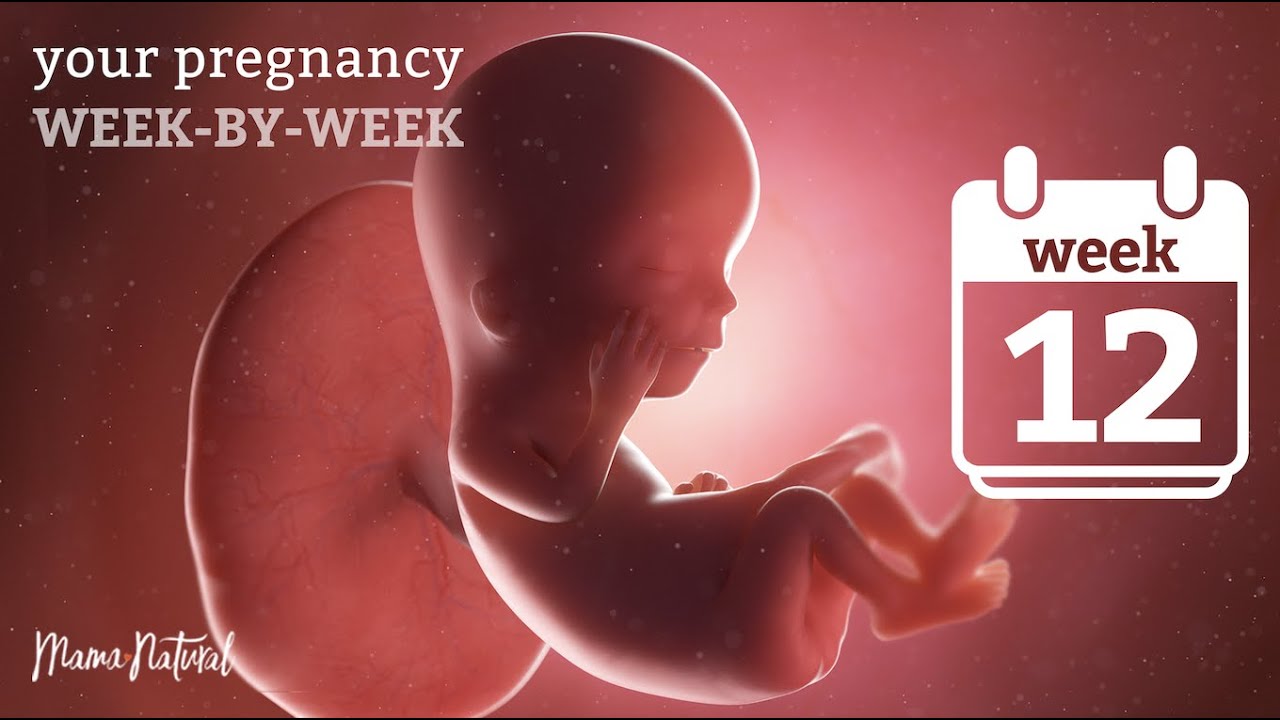
Pregnancy week 12 is an important milestone as the first trimester approaches its end. Your baby has gone through remarkable early development, and many major structures are now established and continuing to mature. Meanwhile, your body is still adjusting to pregnancy, and symptoms such as nausea and changes in appetite may begin to shift. This can also be a useful time to think about your changing body, prenatal care, and the type of birth experience you hope to have.
How Your Baby Is Developing in Week 12
By week 12, your baby is approximately the size of a small plum or similar fruit, although exact measurements vary. The body is becoming more proportionate as growth continues, while the head remains relatively large because the brain is developing rapidly.
Many of the major organs and body systems have formed basic structures by this stage, but that does not mean development is complete. The coming months involve continued growth, refinement, and maturation of organs, tissues, muscles, and the nervous system.
The intestines are also moving into the abdominal cavity during early development. Earlier in pregnancy, part of the developing intestines temporarily extends into the umbilical cord because there is not yet enough space inside the abdomen. As the abdominal cavity grows, the intestines move into their appropriate position.
Your baby’s nervous system and muscles are developing rapidly. The baby can make movements such as moving the arms and legs, opening and closing the mouth, and practicing early sucking motions. These movements are usually too subtle for you to feel at week 12.
It is also important not to assume that a baby can reliably respond to ordinary outside sounds at this stage simply because the nervous system is developing. Hearing continues to develop over the following weeks, and responses to sound become more meaningful later in pregnancy.
Changes in Your Body and Weight
As the first trimester comes to an end, some pregnant people begin noticing that nausea and fatigue are becoming less intense. Others continue to experience these symptoms for longer, and both experiences can occur during a normal pregnancy.
Your waistline may also begin changing. Even before a clear pregnancy bump appears, bloating, hormonal changes, and the growing uterus can make your abdomen feel different. Clothes that previously felt comfortable may start becoming tighter.
There is no single ideal pregnancy body shape or exact amount of weight that every pregnant person should gain during the first trimester. Recommended pregnancy weight gain depends on factors such as your pre-pregnancy body mass index, whether you are carrying one baby or more, and individual health circumstances.
Instead of comparing your weight gain with someone else’s experience, discuss your personal target with your healthcare professional. Both inadequate and excessive weight gain can sometimes be associated with pregnancy complications, so individualized guidance is more useful than following a general number.
Focus on balanced nutrition rather than trying to achieve a perfect pregnancy diet. Include a variety of vegetables, fruits, whole grains, protein sources, dairy or suitable alternatives, and healthy fats. Regular physical activity may also be appropriate for many pregnant people, although exercise recommendations can vary depending on health and pregnancy complications.
Preparing for Your Birth Experience
As pregnancy progresses, you may begin thinking about how you would like to give birth. Some people hope for an unmedicated vaginal birth, while others may prefer pain relief or want to keep several options open. There is no single birth experience that is appropriate for everyone.
Vaginal birth without medication can be a positive experience for some people, but it is not automatically safer or better in every pregnancy. Pain relief options such as epidural anesthesia are available for many people, and medically necessary interventions such as induction or cesarean birth can be important when complications arise.
The safest birth plan is one that takes your health, your baby’s health, your preferences, and the circumstances during labor into account. A birth plan can be useful for communicating your preferences, but it should remain flexible because labor can change unexpectedly.
Rather than focusing on whether one type of birth is universally superior, learn about the benefits, limitations, risks, and alternatives associated with different approaches. Discuss pain management, labor positions, monitoring, possible interventions, and emergency procedures with your maternity care team.
Thinking About the Months Ahead
Week 12 can also be a natural point to begin thinking about the practical side of preparing for a baby. Choosing names, organizing important appointments, reviewing your budget, and considering what you will need after birth can make the coming months feel more manageable.
You may also want to make a list of activities or experiences you would enjoy before the baby arrives. If you are considering travel or other major plans, take your pregnancy stage and medical circumstances into account and discuss concerns with your healthcare professional.
The end of the first trimester can feel like a significant transition, but pregnancy does not suddenly change overnight. Your baby will continue developing rapidly throughout the second trimester, and your body will continue adapting as the pregnancy progresses.
Looking After Yourself at Week 12
Continue attending your recommended prenatal appointments and taking any prescribed or recommended supplements as directed. Maintain regular meals and adequate hydration, and try to get enough sleep and gentle physical activity when appropriate.
If symptoms such as severe vomiting, heavy bleeding, severe abdominal or pelvic pain, fainting, or significant dizziness occur, seek medical advice promptly. New or unusual symptoms are worth discussing with your healthcare professional rather than trying to determine their significance on your own.
Week 12 represents an important point in pregnancy. Your baby’s major body systems have developed their early foundations, the intestines are moving into the abdomen, and the nervous system and muscles are becoming increasingly active. At the same time, your own body may begin transitioning away from some early pregnancy symptoms.
As you approach the second trimester, there is no need to create a perfect pregnancy plan. Focus on informed choices, appropriate prenatal care, balanced nutrition, healthy movement, and open communication with your healthcare team. These foundations can help you prepare for the many changes still ahead.
