
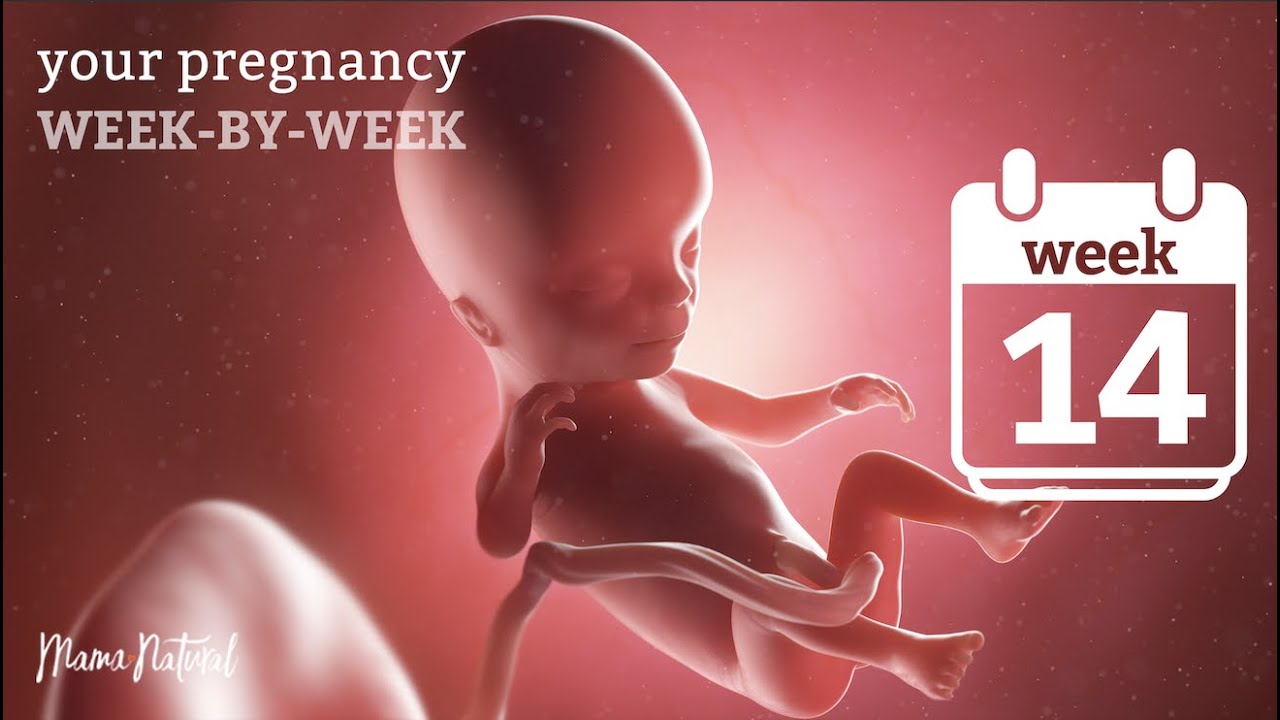
Congratulations on reaching 14 weeks of pregnancy! For many people, this marks the beginning of the second trimester—a stage when some early pregnancy symptoms may start changing while the baby continues a remarkable period of development.
What’s Happening With Your Baby?
At around 14 weeks, your baby weighs approximately one ounce, although measurements can vary. Your baby is also developing important bodily functions. The kidneys are beginning to produce urine, which is released into the surrounding amniotic fluid. Babies also swallow amniotic fluid as part of normal development, and this fluid is continuously processed and renewed.
Another fascinating development involves meconium, the material that eventually becomes a baby’s first bowel movement. It begins accumulating in the intestines during pregnancy and is made up of materials including mucus, bile and cells shed from the digestive tract.
These developments may sound surprising, but they are normal parts of fetal growth.
Your Body After the First Trimester
As your pregnancy progresses, your body continues to change. You may find that your regular clothes are becoming uncomfortable even though your bump may not yet be particularly noticeable.
Instead of simply buying much larger clothing, some expectant parents choose clothing specifically designed for pregnancy. Maternity trousers, stretchy waistbands and comfortable layers can provide extra room as your body changes. Comfort is especially useful during a period when your shape may change noticeably over the coming weeks.
Remember that every pregnancy develops differently, so there is no single “correct” appearance at 14 weeks.
Eating Well During Pregnancy
Nutrition becomes an important consideration throughout pregnancy. Rather than searching for one perfect eating plan, focus on building a balanced and varied diet that provides the nutrients you and your developing baby need.
Depending on your individual needs, meals can include sources of protein, whole grains or other nutrient-rich carbohydrates, healthy fats, fruits and vegetables. Your healthcare professional can provide personalized advice, particularly if you have dietary restrictions, allergies or specific nutritional requirements.
Pregnancy cravings are common, but a craving alone does not necessarily mean your body is deficient in a particular nutrient. If you develop unusual cravings, especially for non-food substances, discuss them with your healthcare provider.
A Note About Herbal Products
Some pregnancy resources recommend herbal teas such as red raspberry leaf tea. However, evidence about its safety and effectiveness during pregnancy is limited, and herbal products can have effects or interactions that are not always obvious.
For that reason, speak with your doctor, midwife or another qualified healthcare professional before regularly using herbal products during pregnancy.
A Positive Start to the Second Trimester
Week 14 can be a good opportunity to appreciate how much has already happened. Your baby is developing rapidly, while your own body is adapting to support that growth.
Focus on comfortable clothing, balanced nutrition, adequate rest and regular prenatal care. Most importantly, remember that pregnancy experiences vary widely. When you have questions about symptoms, food, supplements or prenatal care, your healthcare professional can help you make decisions appropriate for your individual circumstances.
