
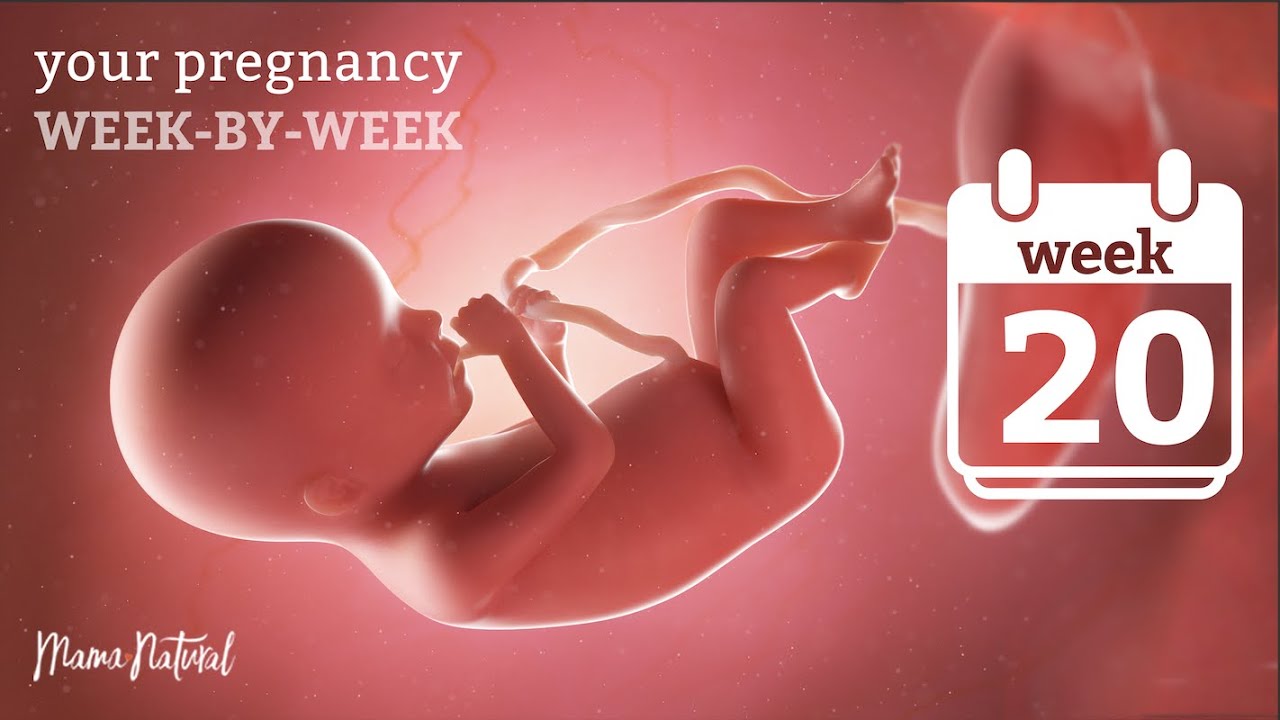
Congratulations—you’ve reached 20 weeks of pregnancy, an exciting halfway milestone for many expectant parents. Your baby is growing rapidly, movements may be becoming easier to notice, and your changing body may bring a few new experiences.
Your Baby at 20 Weeks
Around this stage, your baby is approximately six inches long from crown to rump and weighs around 10 ounces, although measurements vary.
Your baby is becoming increasingly active, and you may notice kicking, rolling or gentle movements. If you haven’t felt movement yet, don’t panic. The timing varies from person to person and can be influenced by factors such as whether this is your first pregnancy and the position of the placenta.
Many parents also have an anatomy ultrasound around the middle of pregnancy. This detailed examination can help healthcare professionals assess fetal development and anatomy. The exact timing depends on your healthcare provider and local clinical practice, so follow the schedule recommended for your pregnancy.
Changes to Your Belly
Your growing uterus can create noticeable changes to your abdomen. Some people develop a darker vertical line running down the belly, known as linea nigra. Pregnancy hormones are thought to contribute to this pigmentation change, which often becomes less noticeable after pregnancy.
Your belly button may also become flatter or temporarily protrude as the abdomen expands. These changes are generally normal and usually aren’t permanent.
What Are Braxton Hicks Contractions?
You may begin noticing occasional tightening or firming of your uterus. These are commonly known as Braxton Hicks contractions.
Unlike established labor contractions, Braxton Hicks contractions are generally irregular and don’t progressively become stronger and closer together. They can become more noticeable as pregnancy progresses.
Dehydration and physical activity may sometimes make uterine tightening more noticeable. Resting and drinking fluids may help in some cases.
However, regular or painful contractions this early in pregnancy should not simply be dismissed as Braxton Hicks. If you experience persistent cramping, bleeding, fluid leakage, significant pain or regular contractions, contact your healthcare provider promptly.
How Should You Sleep During Pregnancy?
As your belly grows, finding a comfortable sleeping position can become challenging.
Later in pregnancy, healthcare professionals commonly recommend side sleeping, and either side can generally be used for comfort. Research has raised concerns about spending prolonged periods lying flat on the back later in pregnancy, so if you wake up on your back, don’t panic—simply reposition yourself onto your side.
A pregnancy pillow or a pillow placed between your knees can provide additional support and make side sleeping more comfortable.
Preparing for Birth
The halfway point is also a useful time to start thinking about childbirth education. Classes can help you learn about labor, comfort techniques, medical options and what to expect during delivery.
If you’re considering an unmedicated or “natural” birth, remember that preparation can be valuable, but birth doesn’t always follow a predetermined plan. Staying informed and discussing your preferences with your healthcare team can help you make decisions as circumstances change.
Most importantly, be kind to yourself. Your body is undergoing extraordinary changes, and every pregnancy develops on its own timeline.
