Pregnancy week 3 is an important stage because conception may occur around this time, although the exact timing varies from person to person. The changes are happening at a microscopic level, so many people do not yet know they are pregnant. Understanding what happens after fertilization can make the early weeks easier to understand and explain why a pregnancy test may still be negative.
How Pregnancy Dating Works
Pregnancy is usually dated from the first day of the last menstrual period rather than from the exact day of conception. This means the first two weeks of a typical pregnancy calculation occur before ovulation and fertilization have actually taken place.
Ovulation often occurs around the middle of a menstrual cycle, although timing can vary. If sperm and egg meet around ovulation, fertilization can occur. The fertilized egg then begins a series of rapid cell divisions as it travels through the fallopian tube toward the uterus.
What Happens After Fertilization
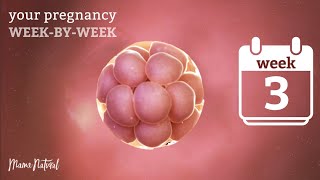
After fertilization, the single-cell embryo begins dividing into more cells. During this journey, it gradually develops into a structure called a blastocyst. Several days after fertilization, it can reach the uterus and begin the process of implantation into the uterine lining.
Implantation is an important step because the developing pregnancy must establish a connection with the uterine lining. After implantation begins, cells associated with the developing placenta start producing human chorionic gonadotropin, commonly known as hCG.
The timing of implantation and the rise in hCG vary between pregnancies. This is one reason why pregnancy tests may be negative when taken very early.
Why a Home Pregnancy Test May Be Negative
A home pregnancy test detects hCG in urine. During the earliest part of pregnancy, hCG may not yet have reached a level that the test can detect. Testing too soon can therefore produce a negative result even when pregnancy later becomes confirmed.
For a more reliable result, many home pregnancy tests are designed to be used around the time a period is expected. Following the instructions included with the specific test is important. If a test is negative but the period does not arrive, repeating the test after several days may provide a clearer result.
A healthcare professional can also provide testing when pregnancy needs to be confirmed or when there are concerns about symptoms or timing.
Possible Early Pregnancy Symptoms
At around week 3, many people have no noticeable pregnancy symptoms. It is also difficult to distinguish early pregnancy changes from normal symptoms that can occur around the menstrual cycle.
Some people may experience mild cramping, bloating, breast tenderness, fatigue, or other changes. Nausea commonly becomes more noticeable later in the first trimester, although its timing can vary. Light spotting can occur around the time of implantation for some people, but bleeding can have many possible causes and should not automatically be assumed to confirm pregnancy.
Severe pain, heavy bleeding, dizziness, fainting, or other concerning symptoms require prompt medical attention, particularly when pregnancy is possible.
Nutrition During the Early Weeks
Nutrition becomes important as soon as pregnancy is possible. A balanced diet can provide important nutrients during the early stages of development. Meals can include vegetables, fruits, whole grains, protein sources, dairy or suitable alternatives, and healthy sources of fat.
Folic acid is particularly important before conception and during early pregnancy because it helps reduce the risk of certain neural tube defects. Many people use a prenatal vitamin to help meet nutritional requirements, but supplements should be selected according to individual needs and appropriate medical guidance.
A prenatal vitamin does not replace a balanced diet. People who follow vegetarian or vegan diets, have nutritional deficiencies, take medications, or have particular medical conditions may need individualized advice from a healthcare professional.
Taking Care of Yourself While Waiting
The period between ovulation and a positive pregnancy test can feel surprisingly long. It is normal to have questions about symptoms and testing during this stage. Tracking menstrual cycles can help provide a better understanding of ovulation and expected periods, although cycle timing is not always predictable.
Getting adequate sleep, eating regular nutritious meals, staying hydrated, and avoiding substances that can be harmful during pregnancy are sensible steps when pregnancy is possible. If you take prescription or over-the-counter medicines, discuss their safety with a healthcare professional rather than stopping or changing them without advice.
Week 3 may seem quiet from the outside, but important biological changes can be underway. Fertilization, early cell division, travel toward the uterus, and eventual implantation form the beginning of a complex process. Because these events happen before many people can detect pregnancy, patience and appropriately timed testing are often essential during these earliest days.
