
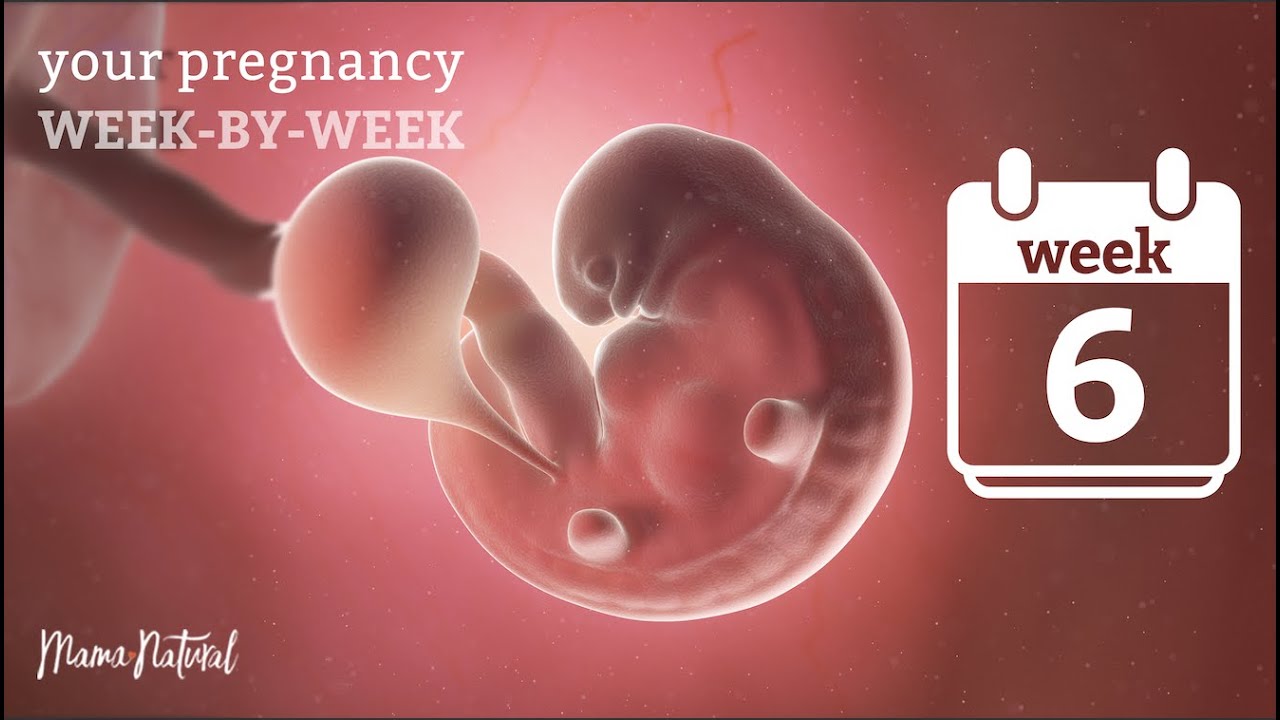
Pregnancy week 6 is a fascinating stage because the embryo is still very small, yet important changes are happening rapidly. The foundations of several major body systems are developing, while the pregnant person may begin noticing stronger physical and emotional changes. For many people, this is also the stage when pregnancy starts to feel more real because symptoms such as nausea and fatigue can become more noticeable.
What Is Happening With the Baby
At around six weeks of pregnancy, the embryo is developing quickly. The neural tube, which will eventually develop into the brain and spinal cord, is continuing to form. Early development of the heart and circulatory system is also underway.
Small areas that will eventually become the baby’s head, face, and other body structures are beginning to take shape. Tiny limb buds can also start appearing, although the arms and legs are still very small and not yet fully developed.
The embryo remains only a few millimeters long at this stage. Its size can vary, and development does not happen at exactly the same rate in every pregnancy.
Early Heart Development
One of the major developments around this period is the early formation of the heart and circulatory system. The heart structure is still developing and changing as the embryo grows.
Early cardiac activity may sometimes be visible with an ultrasound during the first trimester, depending on the exact timing of ovulation, implantation, equipment, and the type of ultrasound used. Not seeing cardiac activity very early does not necessarily mean something is wrong because pregnancy dating can be different from the estimated dates.
Healthcare professionals may recommend follow-up imaging when the pregnancy is too early for a definitive assessment.
Changes You May Notice
Week 6 can bring noticeable changes for some pregnant people. Rising pregnancy hormones can contribute to symptoms such as tiredness, breast tenderness, increased urination, bloating, and nausea.
Morning sickness is a common term, but nausea can happen at any time of day. Some people experience vomiting, while others mainly feel queasy or develop stronger reactions to certain smells and foods.
Not everyone experiences these symptoms. Having few symptoms does not automatically indicate a problem, just as experiencing several symptoms does not necessarily indicate that everything is progressing normally. Pregnancy experiences can vary considerably.
Managing Nausea and Food Changes
If nausea is becoming uncomfortable, eating smaller meals more frequently may be easier than having large meals. Some people find that bland foods are easier to tolerate, while others prefer cold foods because they produce fewer strong smells.
Staying hydrated is also important. If vomiting makes it difficult to keep fluids down, medical advice may be necessary. Severe or persistent vomiting can sometimes lead to dehydration and may require treatment.
Food preferences can change during early pregnancy. Maintaining a varied diet is useful when possible, but occasional difficulty with certain foods is common. A healthcare professional can provide individualized nutritional guidance if eating becomes particularly difficult.
Taking Care of Yourself
Fatigue can become especially noticeable during early pregnancy. Hormonal changes and the body’s increased demands can contribute to feeling unusually tired.
Allowing additional time for sleep and rest can help. Gentle physical activity may also be appropriate for many people with uncomplicated pregnancies, although activity recommendations should be individualized according to health and medical circumstances.
A prenatal supplement containing folic acid is commonly recommended during early pregnancy. Other nutrients may also be important depending on diet and individual needs. It is best to discuss supplements with a healthcare professional rather than assuming that every supplement is necessary.
When Medical Attention Is Important
Most early pregnancy symptoms are not emergencies, but certain symptoms should receive prompt medical attention. Heavy vaginal bleeding, severe or one-sided abdominal or pelvic pain, fainting, significant dizziness, shoulder pain, or severe weakness can require urgent assessment.
Persistent vomiting that prevents adequate fluid intake should also be discussed with a healthcare professional.
Early pregnancy can sometimes involve uncertainty, especially when symptoms change from one day to another. Medical evaluation is the most reliable way to investigate concerning symptoms rather than trying to determine the cause from symptoms alone.
Beginning Prenatal Care
If pregnancy has been confirmed, week 6 is a good time to establish or continue prenatal care. The timing of appointments varies depending on healthcare systems, medical history, previous pregnancies, and individual circumstances.
During early appointments, a healthcare professional may review your medical history, medications, supplements, symptoms, and pregnancy dating. Blood tests, urine testing, and ultrasound may be recommended when appropriate.
Keeping a list of questions can make appointments more useful. It can also help to record the first day of the last menstrual period and any known information about ovulation or conception, although exact timing is not always possible to determine.
A Small Stage With Major Changes
At six weeks, the embryo is tiny, but development is already highly active. Early structures related to the nervous system, heart, circulation, face, and limbs are beginning to take shape. Meanwhile, hormonal changes may be creating noticeable symptoms for the pregnant person.
Every pregnancy develops on its own timeline, so comparing symptoms or milestones too closely with someone else’s experience can create unnecessary worry. Regular prenatal care, appropriate nutrition, adequate rest, and professional guidance provide a more reliable foundation for navigating these early weeks.
