
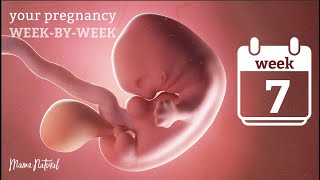
Pregnancy week 7 is a period of rapid development. The embryo is still very small, but important changes are taking place in the brain, face, limbs, and internal organs. At the same time, the pregnant person may experience significant fatigue as the body adapts to rising pregnancy hormones and the demands of supporting early development.
What Is Happening With the Baby
Around week 7, the embryo continues to grow quickly and develop a more recognizable body shape. The small structures that will become the arms and legs are becoming more distinct, although the hands and feet are still developing.
Facial development is also progressing. Structures associated with the eyes, nose, mouth, and other facial features are beginning to take shape. The early digestive and urinary systems are developing as well, while important organs continue their complex formation.
The embryo’s body is changing rapidly during this stage. Earlier temporary structures that were part of early development gradually become less prominent as the body takes on a more recognizable form.
Why Fatigue Can Feel So Strong
Extreme tiredness is common during the first trimester. Increasing levels of hormones, changes in circulation, and the energy required to support pregnancy can all contribute to fatigue.
The developing placenta is also becoming an important part of the pregnancy. It will eventually play a major role in exchanging oxygen, nutrients, and waste products between the pregnant person’s circulation and the developing baby.
There is no need to force yourself to maintain the same energy level you had before pregnancy. Additional rest can be helpful, particularly when fatigue is significant.
Supporting Healthy Sleep
A consistent sleep routine can make it easier to manage tiredness. Going to bed and waking at similar times each day, keeping the bedroom comfortable, limiting stimulating activities before bedtime, and reducing excessive screen use late at night may support better sleep.
The claim that an hour of sleep before midnight is equivalent to two hours after midnight is not an established medical rule. The overall amount and quality of sleep matter more than assigning a special value to particular hours.
If fatigue becomes unusually severe or is accompanied by symptoms such as shortness of breath, dizziness, fainting, paleness, or a racing heartbeat, discussing it with a healthcare professional is appropriate. Conditions such as anemia can also contribute to significant tiredness.
Staying Hydrated
Adequate fluid intake is important during pregnancy, but there is no single water requirement that applies to everyone. Fluid needs can vary according to body size, activity level, climate, diet, vomiting, and other factors.
Rather than following a rigid formula, drinking regularly throughout the day and paying attention to thirst and urine color can be useful general approaches. People experiencing significant vomiting or difficulty keeping fluids down should seek medical advice because dehydration can become a concern.
Eating Seafood During Pregnancy
Fish can provide important nutrients, including protein and omega-3 fatty acids such as DHA. These nutrients are involved in normal fetal development, which is one reason seafood can be part of a healthy pregnancy diet.
However, fish can also contain mercury, so choosing lower-mercury varieties is important. Common lower-mercury choices include salmon, sardines, trout, anchovies, and other fish identified by national food-safety guidance.
Some larger predatory fish can contain higher mercury concentrations and should be avoided or limited according to current pregnancy food-safety recommendations. Because recommendations can differ by country and can be updated, pregnant people should check guidance from their local public health or food-safety authority.
Fish should also be properly cooked, and seafood with a higher risk of contamination should be avoided during pregnancy.
What About Fish Oil Supplements
Some pregnant people consider omega-3 supplements, particularly those containing DHA. However, supplements are not automatically necessary for everyone who eats fish.
The appropriate supplement and dosage depend on diet, medical history, and individual nutritional needs. A healthcare professional can help determine whether an omega-3 supplement is appropriate.
It is also important not to assume that a particular supplement can prevent developmental conditions such as autism. Research into nutrition and pregnancy is complex, and no simple supplement can guarantee a particular developmental outcome.
Managing the Demands of Early Pregnancy
Week 7 can be physically demanding, so practical adjustments may help. Eating regular balanced meals, staying hydrated, resting when needed, and maintaining gentle activity when medically appropriate can support general well-being.
A prenatal vitamin containing folic acid is commonly recommended during early pregnancy. Other nutrients may be needed depending on individual circumstances, so prenatal care is the best place to discuss supplementation.
Avoiding alcohol, tobacco, and recreational drugs is also important. Prescription and over-the-counter medications should be reviewed with a healthcare professional rather than stopped or changed without guidance.
When to Seek Medical Advice
Many symptoms during early pregnancy are normal, but certain changes require prompt attention. Heavy bleeding, severe abdominal or pelvic pain, fainting, significant dizziness, severe vomiting, or difficulty keeping fluids down should be discussed with a healthcare professional promptly.
Regular prenatal care can also help monitor the pregnancy and provide guidance about nutrition, medications, symptoms, and upcoming developmental milestones.
At week 7, the embryo is undergoing rapid changes that will establish many of the structures needed for later growth. Fatigue can be a major part of this stage, making rest, balanced nutrition, hydration, and appropriate prenatal care particularly important. Every pregnancy develops on its own timeline, so individual symptoms and milestones can vary considerably.
