
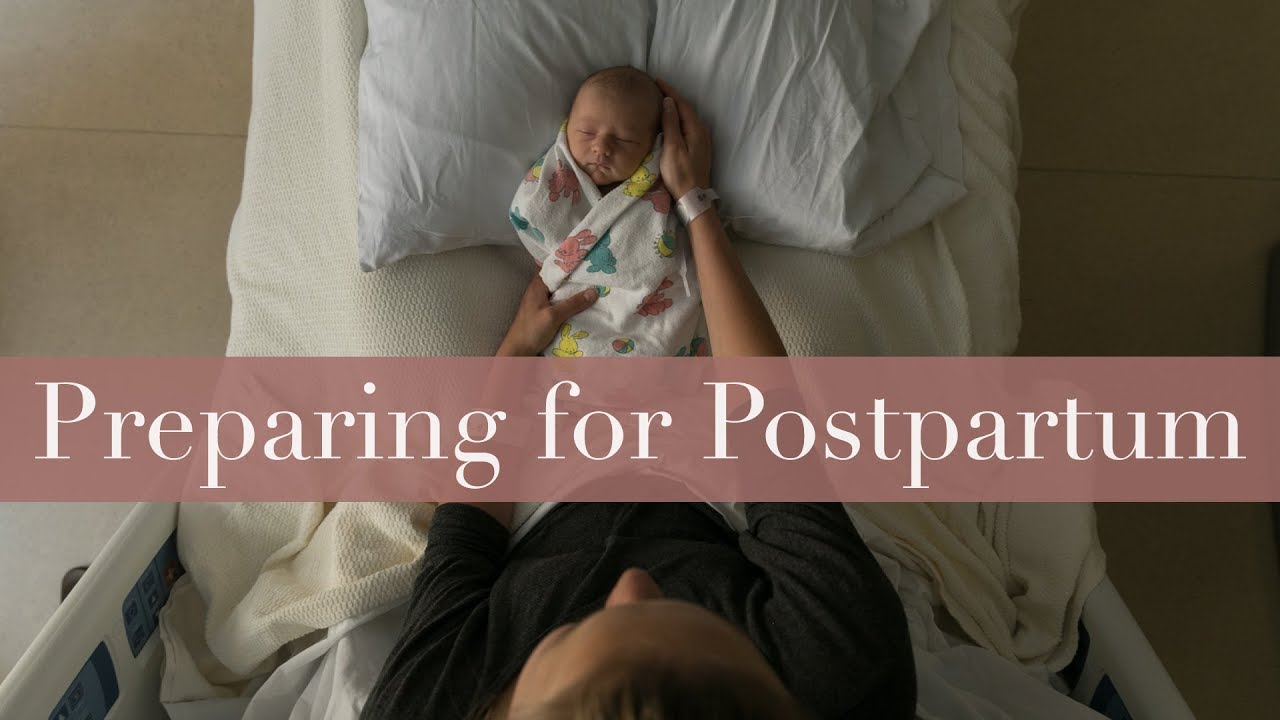
The arrival of a baby is an exciting milestone, but the days and weeks after birth are an important part of the journey too. Your body needs time to recover, while you are also adjusting to newborn care, feeding, changing sleep patterns, and new emotions.
Knowing what to expect can make the transition home feel a little easier.
Helpful Postpartum Essentials
Before leaving the hospital or birth centre, you may be offered some useful postpartum supplies. Depending on the facility, these can include stretchy mesh underwear, absorbent postpartum pads, a perineal rinse bottle, and cold packs.
Comfortable underwear can be particularly useful while postpartum bleeding continues. A squeeze bottle filled with clean water can also provide a gentle way to rinse the external perineal area after using the bathroom, especially when the area feels tender.
Having plenty of absorbent pads at home is helpful because vaginal bleeding after birth is expected and can continue for several weeks.
Understanding Postpartum Bleeding
Postpartum vaginal bleeding is commonly called lochia. It is part of the body’s natural recovery after childbirth and consists of blood, mucus, and tissue from inside the uterus.
The flow often changes as the days and weeks pass. It may initially appear heavier and redder before gradually becoming lighter.
Occasional small clots or a temporary increase in flow can happen, particularly after getting up and moving around. However, very heavy or rapidly increasing bleeding is different from typical postpartum changes and should receive prompt professional attention.
Breastfeeding and After-Birth Cramps
Some parents notice abdominal cramping while breastfeeding. This happens because breastfeeding is associated with the release of oxytocin, a hormone that also encourages the uterus to contract.
These contractions help the uterus gradually return toward its pre-pregnancy size. The sensation may be surprising at first but often becomes less noticeable as the early postpartum period progresses.
Breastfeeding itself can also take time to establish. Both parent and baby are learning, and some early tenderness may occur. Persistent or severe pain should be discussed with a qualified healthcare professional or lactation professional.
Emotional Changes and Sleep
The postpartum period can bring significant emotional changes. Hormonal shifts, physical recovery, feeding responsibilities, and interrupted sleep can contribute to tearfulness, irritability, or feeling overwhelmed.
Many new parents also experience considerable tiredness because newborns frequently wake during the night.
If possible, accept practical help from trusted family members or friends. Assistance with meals, household tasks, errands, or newborn care can create valuable opportunities to rest.
Persistent or worsening emotional distress should not be ignored. Speaking with a qualified healthcare professional can help you find appropriate support.
When to Seek Professional Help
Contact a qualified healthcare professional if you experience concerning changes such as unusually heavy bleeding, repeated large clots, fever, foul-smelling discharge, severe or worsening pain, or persistent difficulty with breastfeeding.
Severe emotional distress also deserves prompt attention. If symptoms feel like an emergency, seek urgent medical care.
Final Takeaway
Postpartum recovery is a gradual process, not something that happens overnight. Preparing basic supplies, making space for rest, accepting support, and understanding normal changes can help you feel more prepared for those first weeks at home with your baby.
Educational Note: BabyVerse USG provides general educational information about pregnancy, postpartum recovery, and newborn life. This article does not diagnose health conditions or provide individualized treatment recommendations. For personal concerns after childbirth, speak with a qualified healthcare professional.
