
The weeks and months after childbirth can bring many unexpected changes. Bleeding, hair shedding, body aches, mood changes, weight changes, breastfeeding challenges, and concerns about intimacy are all topics that new mothers may experience or wonder about. At the same time, family members and social media can provide advice that is based more on tradition than current medical understanding. Learning what is common and when professional guidance is needed can make the postpartum period less confusing.
Does a New Mother Need to Stay Home for 40 Days
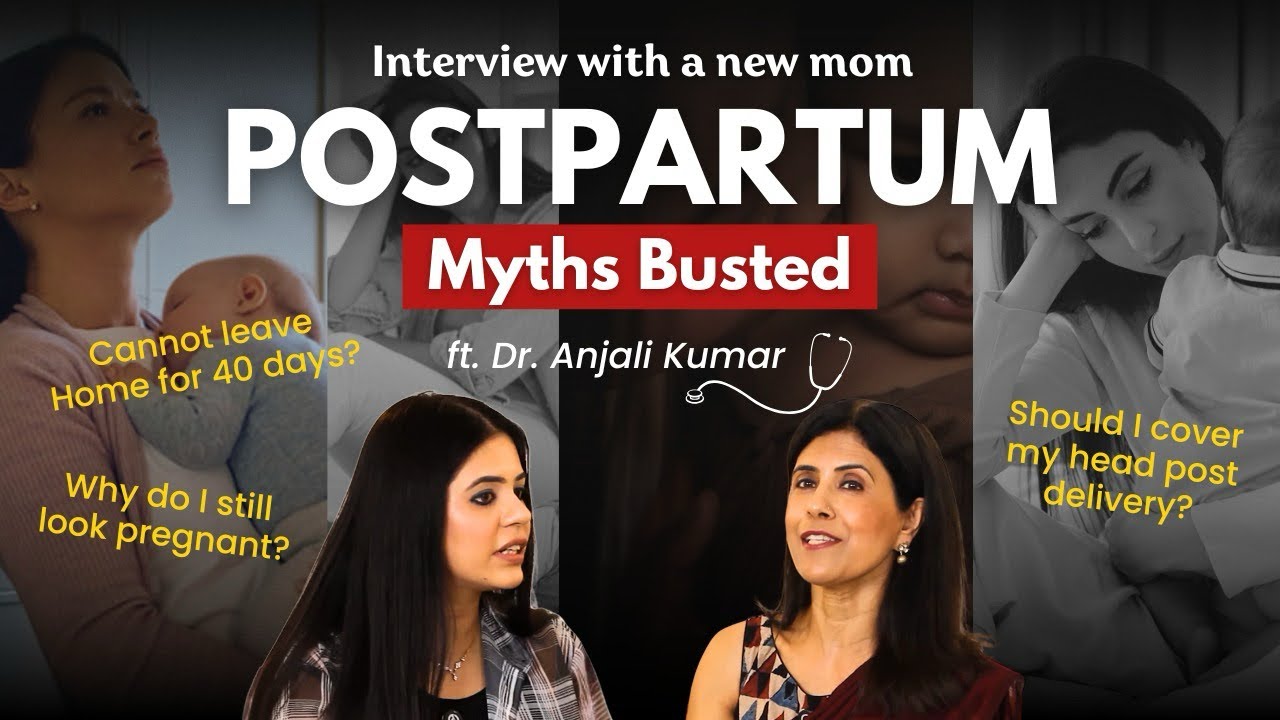
The traditional 40-day postpartum period is practiced in several cultures and is often intended to give a mother time to recover, bond with her baby, and receive support. However, it does not mean that every mother must remain in bed or completely isolated. Gentle movement is often encouraged during recovery when medically appropriate. The timing of activities should depend on the type of delivery, individual recovery, and advice from a healthcare professional.
Do You Need to Cover Your Head
There is no general medical requirement for a postpartum mother to keep her head covered to prevent illness. Clothing should primarily be based on comfort, temperature, personal preference, and cultural practices. Staying comfortable and avoiding overheating are especially important in warm weather.
Why Does the Abdomen Still Look Different
It is common for the abdomen to remain larger or softer after pregnancy. The abdominal muscles and connective tissues stretch as the uterus grows, and some women develop diastasis recti, where the two main abdominal muscles become separated along the midline. Recovery can take time, and targeted postpartum rehabilitation may help when appropriate.
A postpartum support belt can provide temporary physical support for some women, but it should not be considered a method for removing abdominal fat or permanently reshaping the stomach. Recovery generally involves time, appropriate nutrition, and gradual physical activity.
Can Breastfeeding Mothers Eat Beans and Chickpeas
Foods such as kidney beans and chickpeas can cause digestive gas in the person eating them, but gas from the mother’s digestive system does not travel directly into breast milk. These foods can be valuable sources of protein, fiber, and other nutrients.
If a breastfeeding mother notices that her baby repeatedly develops symptoms after a particular food, discussing the pattern with a pediatrician or healthcare professional can help determine whether any dietary change is actually necessary. Alcohol is different because alcohol can enter breast milk, so breastfeeding mothers should follow appropriate medical guidance regarding alcohol use.
When Does the Period Return
Menstrual cycles can remain absent for months after childbirth, particularly when breastfeeding frequently or exclusively. The timing varies considerably between individuals. Importantly, ovulation can occur before the first postpartum period, meaning pregnancy is possible even when menstruation has not returned.
Breastfeeding can provide contraceptive protection only under specific conditions and for a limited period. Anyone wishing to avoid pregnancy should discuss suitable contraception with a healthcare professional.
Breastfeeding, Formula, and Pumping
Using formula when medically or practically necessary does not make someone a bad parent. Some families use formula exclusively, while others combine breastfeeding with formula or expressed breast milk. The appropriate feeding approach depends on the baby’s needs and the family’s circumstances.
Breast pumps can also be useful when direct breastfeeding is not possible or when a mother wants to express milk. Manual and electric pumps offer different features, so comfort, frequency of use, and budget can all influence the choice.
Delivery Method Does Not Define a Mother’s Strength
A Cesarean birth does not make a mother weaker, and a vaginal birth does not determine whether someone is a better parent. Cesarean delivery can be medically necessary and can be an important way to protect the health of the mother or baby.
Similarly, babies born by Cesarean delivery can be healthy. Some newborn breathing issues are somewhat more common after Cesarean birth, particularly when labor has not occurred, but newborns are monitored and treated when necessary.
Intimacy and Postpartum Hair Loss
A reduced interest in sex after childbirth is common and can be influenced by hormonal changes, exhaustion, breastfeeding, physical recovery, and emotional adjustment. There is no requirement to resume sexual activity simply because a particular number of weeks has passed. Healing, comfort, and individual readiness matter.
Postpartum hair shedding is another common change. Hormonal shifts after pregnancy can cause more hair to enter the shedding phase, often making hair loss appear dramatic. It usually improves over time. Persistent excessive shedding, bald patches, or noticeable thinning should be discussed with a healthcare professional because nutritional deficiencies or other conditions may also contribute.
The postpartum period is different for every mother. Understanding normal changes while recognizing warning signs can help women seek appropriate care without unnecessary fear or pressure.
