
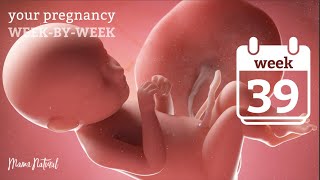
At 39 weeks pregnant, you are officially in the final stretch. Your baby is considered full term, and the anticipation of meeting your little one may be stronger than ever. While some babies arrive right around their due date, others need a little more time—and both situations can be completely normal.
Baby at 39 Weeks
Your baby may weigh somewhere around 7 to 9 pounds and measure approximately 18 to 22 inches long. However, babies naturally come in different sizes, so these numbers are only general estimates.
At this stage, your baby is continuing to build energy reserves and prepare for life outside the womb. The brain and nervous system are still developing, while the body continues making final adjustments for those first days after birth.
Even though your baby may be ready to arrive, don’t worry if labor hasn’t started yet. Your due date is an estimate rather than a deadline.
Changes You May Notice
Your body is also getting ready for labor. One common change around this time is increased vaginal discharge. You may notice that the discharge becomes thicker or more noticeable as your cervix begins changing.
You might also lose your mucus plug, the collection of mucus that has helped protect the cervix during pregnancy. Losing it can happen shortly before labor, but it doesn’t necessarily mean contractions will begin immediately. Some people lose it days or even weeks before active labor.
You may also experience stronger Braxton Hicks contractions, increased pelvic pressure, lower-back discomfort or a feeling that your baby has moved further down.
Recognizing Possible Signs of Labor
As your due date approaches, it can be difficult to tell whether something is simply another late-pregnancy symptom or the beginning of labor.
Possible signs include:
- Contractions that become regular, stronger and closer together
- Increasing pelvic pressure
- Changes in vaginal discharge
- Loss of the mucus plug
- A bloody show
- Your waters breaking
If you think you’re in labor, or you’re unsure about what’s happening, contact your doctor, midwife or maternity unit for guidance.
You should also seek prompt medical advice if you experience heavy vaginal bleeding, severe or persistent pain, leaking fluid, or a noticeable decrease in your baby’s usual movements.
Your Final Week Preparation
At 39 weeks, there’s no need to fill every day with tasks. Instead, focus on being comfortable and ready.
Make sure your hospital or birth-center bag is packed, your baby’s car seat is installed, and important phone numbers are easily accessible. Keep eating nourishing meals, stay hydrated according to your healthcare provider’s advice, and rest whenever you can.
Most importantly, try not to compare your experience with someone else’s. Some people have obvious signs of labor for days, while others go from feeling completely normal to active labor surprisingly quickly.
The Waiting Game
The final days of pregnancy can feel incredibly long. You may be excited, nervous, impatient and exhausted—all at the same time.
Remember that your estimated due date is simply a guide. Your baby may arrive tomorrow, or you may need to wait a little longer.
For now, take things one day at a time. Your body and baby are completing the final preparations for birth, and soon you’ll be meeting the little person you’ve been waiting for.
Week 39 reminder: I don’t have to know exactly when labor will begin. I can stay calm, stay prepared, and take each moment as it comes.
